

Nigeria Takes Bold Diplomatic Stand on Sudan , Pushes for Peace Talks By Raymond Enoch
Nigeria has once again stepped into the frontline of African diplomacy, declaring firm support for peace efforts in Sudan while moving to deepen its long-standing ties with the North-East African nation.
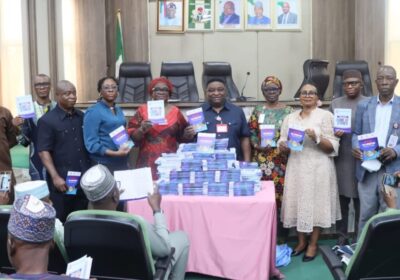
At a high-level meeting in Abuja on Wednesday, Permanent Secretary of the Ministry of Foreign Affairs, Ambassador Dunoma Umar Ahmed, delivered a clear message: Nigeria will not sit on the sidelines while Sudan grapples with instability.
Speaking during a courtesy visit by Sudan’s Ambassador to Nigeria, Mohamed Abdelaal, Ambassador Ahmed described the crisis in Sudan as a matter of urgent continental concern, warning that prolonged conflict could further destabilize the region, particularly the already fragile Sahel.
“Nigeria remains committed to the unity, peace, and stability of Sudan. We believe strongly that dialogue, not division, is the pathway forward,” Ahmed said in a firm diplomatic tone.
He pointed to the deep-rooted relationship between both countries, built over centuries of cultural exchange, migration, and cooperation, stressing that Nigeria sees Sudan not just as a partner, but as a brother nation whose stability is vital to Africa’s collective progress.
In his remarks, Sudanese envoy Mohamed Abdelaal acknowledged Nigeria’s leadership role in Africa, describing it as a “pillar of support” in times of regional crisis. He provided updates on Sudan’s internal situation, noting that while some areas are witnessing gradual recovery, challenges remain due to ongoing tensions and external influences.
“There is progress, but there are also pressures that continue to slow down lasting peace,” Abdelaal noted, raising concerns about foreign interference and its impact on Sudan’s stability.
Both diplomats were united in their call for an immediate end to hostilities, emphasizing that military solutions would only deepen the crisis. Instead, they pushed for inclusive political dialogue that brings all stakeholders to the table.
Ambassador Ahmed reaffirmed Nigeria’s active engagement through the African Union and broader international platforms, stressing that sustainable peace must be homegrown and people-driven.
“Peace cannot be imposed from the outside. It must come from sincere dialogue among the Sudanese people themselves,” he said.
Beyond the crisis, the meeting also opened doors for stronger bilateral cooperation. Key among the proposals was the planned revival of the Nigeria–Sudan Political Consultations Committee, aimed at addressing shared interests ranging from security to economic collaboration.
There were also discussions around an anticipated high-level visit by Sudanese leaders to Nigeria, a move seen by analysts as a strategic step toward strengthening diplomatic and economic ties.
Importantly, Nigeria raised concerns about the safety of its citizens and assets in Sudan, signaling its readiness to protect its nationals and provide necessary support where needed.
The meeting ended on a note of renewed commitment, with both countries pledging to work closely in pursuit of peace, stability, and shared prosperity.
As Africa watches the unfolding situation in Sudan, Nigeria’s voice is growing louder—clear, firm, and resolute—calling for dialogue over destruction and unity over conflict.