

ACHPR Opens 87th Ordinary Session in Banjul Amid Renewed Calls for Human Rights Protection in The Gambia By Isatou Jawara
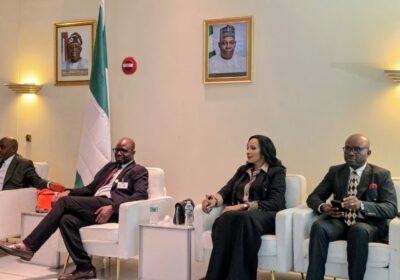
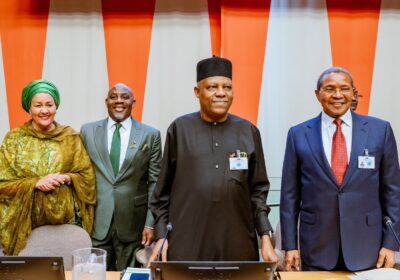
The Government of The Gambia on Monday officially hosted the opening ceremony of the 87th Ordinary Session of the African Commission on Human and Peoples’ Rights, bringing together government officials, diplomats, human rights defenders, civil society organisations, and regional institutions committed to advancing human rights, justice, democracy, and the rule of law across Africa.
The high-level public session, held in Banjul, once again reaffirmed The Gambia’s historic role as the home of the ACHPR and a central hub for continental human rights dialogue. Delegates from across Africa gathered to deliberate on pressing human rights concerns affecting member states and to strengthen cooperation aimed at protecting citizens’ freedoms and democratic values.
The ceremony commenced with the singing of the African Union Anthem and the National Anthem of The Gambia, setting the tone for discussions focused on accountability, justice, and the promotion of fundamental freedoms.
Delivering the introductory remarks, Executive Secretary of the ACHPR, Abiola Idowu-Ojo, welcomed delegates and underscored the importance of collective action in strengthening Africa’s human rights systems.
She noted that the Commission remains a critical institution in promoting and safeguarding the rights of African citizens, particularly at a time when several countries continue to face democratic and governance challenges.
Statements were also delivered by representatives of regional and international institutions, including Hannah Forster on behalf of the NGO Steering Committee, James Mouangue Kobila, and the European Union Special Representative for Human Rights, Kaja Ollongren.
Representatives from the Office of the United Nations High Commissioner for Human Rights, the African Court on Human and Peoples’ Rights, the Pan-African Parliament, and the African Committee of Experts on the Rights and Welfare of the Child also addressed the gathering, stressing the urgent need for stronger institutions, civic participation, and the protection of vulnerable communities.
Chairperson of the ACHPR, Idrissa Sow, emphasized the importance of collaboration among African states, institutions, and civil society in ensuring accountability and protecting the rights of citizens across the continent.
Sow stated that the Commission remains committed to defending democratic principles and ensuring that African governments uphold their obligations under the African Charter on Human and Peoples’ Rights.
> “The Commission exists to ensure that the rights and dignity of African citizens are protected at all times,” he said. “Human rights defenders, journalists, civil society actors, and ordinary citizens all have the right to participate in democratic processes without fear or intimidation.”
The opening session also drew attention to growing concerns surrounding recent arrests and prosecutions of pro-democracy activists in The Gambia.
Addressing journalists during the session, Commissioner Sow acknowledged reports relating to the treatment of activists linked to the Gambia Against Looted Assets movement and reaffirmed the Commission’s readiness to intervene within its mandate where necessary.
> “We’ve taken note. It is part of our mandate to protect human rights defenders,” Sow stated. “There is a project specifically dedicated to people like you who are exercising their rights to protest.”
He further revealed that the Commission’s Focal Point on Gambian Affairs, a Kenyan national mandated to monitor developments in the country, has continued to submit regular reports on the human rights situation in The Gambia.
> “If what you said is corroborated by the Commission Focal Point, we will act accordingly,” Sow assured reporters. “Within our mandate, the ACHPR will do what it takes to remind member States of their responsibility.”
The ACHPR Chairperson also expressed willingness to encourage dialogue between the Gambian government and civil society actors, including members of Team Gom Sa Boppa and other democratic movements, in an effort to promote peaceful engagement and strengthen democratic governance.
Observers say Sow’s remarks signal a potentially stronger and more assertive position by the Commission at a time when citizens across Africa increasingly expect regional institutions to take meaningful action against abuses and democratic backsliding.
Also addressing the ceremony was the Attorney General and Minister of Justice of The Gambia, Dawda A. Jallow, who reaffirmed the government’s commitment to justice sector reforms, constitutionalism, and the protection of human rights.
Minister Jallow highlighted the significant reforms undertaken since the country’s democratic transition in 2017, noting that The Gambia continues to work toward strengthening judicial independence, promoting accountability, and enhancing access to justice for all citizens.
He stated that the government recognizes the ACHPR as a vital institution in advancing peace, democracy, and human dignity across Africa.
> “The African Commission remains an important pillar in promoting accountability and ensuring that the voices of ordinary Africans are heard,” Jallow said. “The Gambia remains fully committed to cooperating with regional and international human rights mechanisms.”
The Justice Minister further emphasized that sustainable democracy can only thrive where the rule of law is respected, institutions are independent, and citizens are allowed to freely participate in governance processes.
He added that the government remains committed to implementing recommendations from the Truth, Reconciliation and Reparations Commission, while continuing efforts aimed at legal and institutional reforms.
The ACHPR, established under the African Charter on Human and Peoples’ Rights, plays a central role in monitoring human rights conditions across African Union member states. The Commission investigates violations, promotes awareness of human rights standards, and provides recommendations to governments on improving protections for citizens.
Headquartered in Banjul, the Commission has long positioned The Gambia as an important diplomatic center for continental human rights discussions. The hosting of the 87th Ordinary Session once again places the country at the center of conversations surrounding governance, democracy, civic freedoms, and justice in Africa.
As deliberations continue during the session, many rights groups and observers hope the gathering will produce concrete recommendations capable of strengthening democratic institutions, protecting civic space, and ensuring greater accountability among African governments.
For many Gambians, the session also represents an opportunity for authorities to demonstrate their commitment to the democratic values promised after the end of former President Yahya Jammeh’s authoritarian rule in 2017.
With growing scrutiny on governance and civic freedoms across the continent, delegates say the outcomes of the 87th Ordinary Session could play a significant role in shaping Africa’s broader human rights agenda in the years ahead.