

Nigeria Moves to Unlock Genomic Wealth for Global Innovation By Beauty Akporido Aroh
The Federal Government has unveiled an ambitious plan to establish the Nigeria Genomic City, a landmark initiative aimed at transforming the country’s rich genetic resources into a catalyst for scientific breakthroughs, healthcare innovation, food security and economic prosperity.
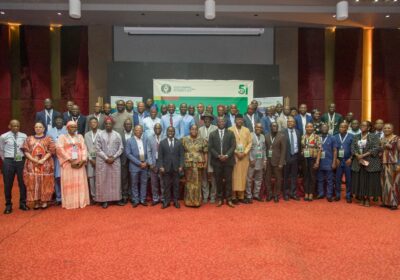
The project, unveiled at a high-level stakeholders’ meeting in Abuja on Thursday, signals Nigeria’s determination to build a knowledge-driven economy by investing heavily in research, biotechnology and precision medicine.
Speaking at the event, the Minister of Education, Dr. Maruf Tunji Alausa, warned that Nigeria’s rapidly growing population could become a national burden rather than an economic advantage if the country fails to invest strategically in science, innovation and research.
“The biggest demographic dividend ever witnessed anywhere in the world could become a demographic calamity for us if we fail to act. We do not have a choice,” the Minister declared.
Alausa described the Nigeria Genomic City as a national asset designed to position Nigeria among the world’s leading centres for genomics and biotechnology while creating opportunities for scientific discoveries, high-value jobs and economic diversification.
He explained that the initiative, conceived over 20 months ago, was deliberately designed as a multi-ministerial and multi-agency project to ensure national ownership rather than institutional control.
According to him, the Tinubu administration is committed to shifting Nigeria from dependence on natural resources to a knowledge and innovation-based economy, with the Genomic City expected to become one of the flagship projects driving that transformation.
The Minister lamented that although Africa possesses some of the world’s richest genetic diversity, much of its genomic data has historically been exploited abroad with limited benefits returning to the continent.
He stressed the need for Nigeria to protect its genomic resources through stronger data sovereignty, intellectual property safeguards and strategic international partnerships capable of delivering value to the country.
Alausa also disclosed that the Federal Government is finalising the establishment of the National Research and Innovation Development Fund, expected to mobilise nearly 500 million dollars annually to finance scientific research and innovation nationwide.
He announced that the University of Abuja will host the Nigeria Genomic City, while agencies including the National Information Technology Development Agency (NITDA) and the National Board for Technology Incubation will provide technological and innovation support.
Minister of State for Education, Professor Suwaiba Said Ahmad, described the initiative as a unique opportunity for Nigeria to emerge as a global leader in scientific innovation rather than remain a consumer of technologies developed elsewhere.
She said the country’s large population, expanding research ecosystem and growing pool of experts provide a solid foundation for the success of the project.
Providing the technical overview, the Pioneer Director of the Centre for Genomic and Precision Medicine at the University of Ibadan, Professor Mayowa Ojo Owolabi, said the Nigeria Genomic City would establish a national platform for genomic, biological and health data capable of driving discoveries in disease prevention, diagnosis, treatment and precision medicine.
He added that the initiative would also boost agricultural productivity, improve crop and livestock development, strengthen food security, attract global investment and build a world-class scientific workforce.
Owolabi noted that the project would integrate emerging technologies such as artificial intelligence and bioinformatics while protecting Nigeria’s genomic assets and positioning the country as a leading exporter of biotechnology innovations.
Stakeholders at the meeting expressed optimism that sustained collaboration between government, academia, industry and development partners would enable Nigeria to fully harness its scientific potential and compete more effectively in the global knowledge economy.