

ECOWAS Moves to Digitise Livestock Tracking to Boost Security, Trade By Raymond Enoch
The Economic Community of West African States (ECOWAS) has stepped up efforts to modernise livestock management across West Africa, placing veterinary services at the centre of a new regional push for animal identification and traceability.
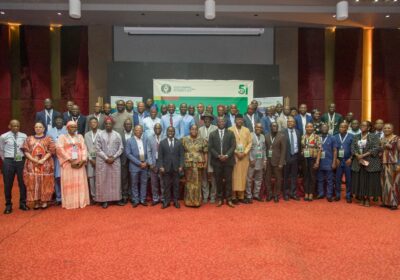
This formed the crux of deliberations at the 8th meeting of the Regional Veterinary Committee, held in Lomé from April 15 to 17, where experts and policymakers underscored the urgent need for coordinated systems to track livestock movement and health across borders.
The three-day meeting drew nearly 60 participants, including heads of veterinary services from member states, regional institutions, international organisations, and technical partners. Discussions focused on strengthening traceability systems as a critical tool for addressing a range of challenges—from animal disease outbreaks and livestock theft to farmer-herder conflicts and barriers to regional trade.
Participants acknowledged that while pilot initiatives exist, scaling them into sustainable regional frameworks remains difficult. Key obstacles identified include poor digital infrastructure in rural communities, unreliable data collection systems, insecurity in parts of the region, limited funding, and weak stakeholder engagement.
To address these gaps, stakeholders agreed on the adoption of a harmonised regional strategy under ECOWAS leadership. The approach prioritises stronger legal and institutional frameworks, the deployment of digital identification technologies, and the development of cross-border tracking systems to ensure seamless livestock movement within the region.
A regional roadmap was also unveiled to guide member states in implementing modern traceability systems tailored to their national contexts while aligning with broader regional standards.
Speaking at the opening ceremony, Acting Executive Director of the Regional Animal Health Center, Eugène Kouassi Koffi, highlighted persistent threats facing the livestock sector, including disease outbreaks, climate change impacts, and insecurity. He stressed that robust identification systems are vital for improving surveillance and boosting productivity.
Similarly, Chief of Staff to Togo’s Minister of Agriculture, Konlani Dindiogue, called for the adoption of innovative solutions such as electronic tagging and digital databases to modernise livestock management across the region.
ECOWAS said the initiative is part of broader efforts to build a resilient and integrated livestock sector capable of supporting food security, economic stability, and sustainable livelihoods across West Africa and the Sahel.
With growing pressure on natural resources and increasing cross-border livestock movement, the bloc’s renewed focus on traceability signals a decisive shift toward data-driven agriculture—one that could redefine how the region manages one of its most vital economic sectors.