

ECOWAS Ministers Shape the Region’s Next Decade at Landmark 96th Council Session By Raymond Enoch
The Economic Community of West African States (ECOWAS) has taken another significant step towards shaping the future of regional integration, peace and institutional reforms as the 96th Ordinary Session of the ECOWAS Council of Ministers concluded in Freetown, Sierra Leone, ahead of the Summit of Heads of State and Government scheduled for July 19.
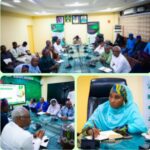
The two-day meeting, held from July 16 to 17, 2026, brought together ministers from across the 12-member Community to deliberate on strategic policy issues that will define the direction of ECOWAS at a time the region faces evolving political, security and economic realities.
As the principal policy-making organ responsible for preparing decisions for adoption by the Authority of Heads of State and Government, the Council of Ministers occupies a pivotal position within the ECOWAS institutional framework. Its recommendations often provide the policy blueprint upon which regional leaders take far-reaching decisions affecting governance, economic integration, security cooperation and sustainable development.
At the 96th Ordinary Session, the ministers undertook an extensive review of the Community’s financial situation, reflecting ECOWAS’ determination to strengthen institutional sustainability and ensure adequate resources for implementing regional programmes and priorities.
The Council also devoted considerable attention to the prevailing security and political situation across West Africa, underscoring the Community’s continued commitment to preserving peace, constitutional order and regional stability amid emerging challenges.
Another key outcome of the meeting was deliberation on the proposed 2027–2030 Action Plan on the Return of Cultural Property to their Countries of Origin, a landmark initiative aimed at advancing Africa’s campaign for the restitution of cultural heritage removed from the continent over several decades. The initiative reflects ECOWAS’ growing recognition of cultural identity as an integral component of regional development and historical justice.
In a move expected to deepen citizens’ participation in regional governance, the ministers also examined the operationalisation of the ECOWAS Economic, Social and Cultural Council (ECOSOCC). The body is designed to provide organised civil society, professional groups and other non-state actors with a structured platform to contribute to policy formulation and implementation within the Community.
Beyond the specific memoranda considered, the Freetown meeting reaffirmed the Council of Ministers’ central responsibility in ensuring that ECOWAS institutions remain responsive to the aspirations of West Africans while adapting to changing regional dynamics.
Observers note that the recommendations emerging from the Council’s deliberations are expected to form a substantial part of the agenda before the ECOWAS Authority of Heads of State and Government when leaders convene in Freetown on July 19.
The 96th Ordinary Session therefore represents more than a routine statutory meeting. It marks another important milestone in ECOWAS’ ongoing efforts to reinforce regional cooperation, strengthen institutional effectiveness and advance a shared vision of a peaceful, prosperous and integrated West Africa.
With crucial policy decisions now placed before the region’s leaders, attention shifts to the forthcoming Summit, where the Authority is expected to endorse strategic measures that will shape the Community’s priorities in the years ahead.