

Lomé Hosts ECOWAS Air Transport Economic Oversight Committee to Drive Affordable Regional Air Travel By Raymond Enoch
The West African aviation industry is set for a defining moment as the ECOWAS Commission convenes the inaugural meeting of the ECOWAS Air Transport Economic Oversight Committee (ECATEOC) in Lomé, a strategic gathering expected to lay the foundation for more affordable, competitive and integrated air transport across the sub-region.
The two-day meeting, scheduled for 2 to 3 July 2026, marks the formal operationalisation of the regional economic oversight mechanism created under Supplementary Act A/SA.2/12/24 on charges, taxes and fees in civil aviation. The initiative is widely viewed as a major policy milestone in ECOWAS’ efforts to eliminate cost barriers that have continued to make air travel within West Africa among the most expensive on the continent.
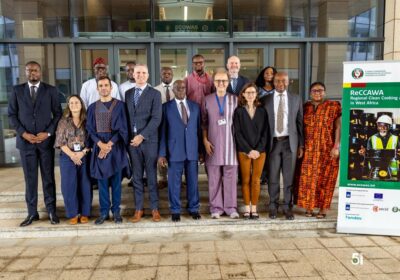
The high-level forum will bring together senior aviation policymakers, civil aviation regulators, airline industry leaders and strategic development partners to accelerate the implementation of reforms designed to reduce operational costs, strengthen regional air connectivity and harmonise economic regulation across ECOWAS member states.
Aviation experts believe the establishment of ECATEOC could transform the region’s aviation landscape by promoting transparency in airport charges and aviation fees, encouraging fair competition among operators and creating a more predictable regulatory environment capable of attracting greater investment into the sector.
The committee is also expected to serve as a critical institutional mechanism for monitoring compliance with agreed regional standards while supporting the implementation of policies that make air transport more accessible to businesses, investors and millions of travellers across West Africa.
The inaugural meeting aligns with Economic Community of West African States Vision 2050, which places regional integration, economic competitiveness and improved mobility at the centre of sustainable development. By addressing long-standing economic bottlenecks within the aviation sector, the Commission aims to stimulate trade, tourism and cross-border investment while strengthening the region’s position within the African aviation market.
Industry observers say the outcomes of the Lomé meeting could influence future aviation policy across the sub-region, providing a coordinated framework for reducing the financial burden on airlines and passengers while advancing the long-standing goal of a seamless and integrated West African air transport system.
With stakeholders gathering in Lomé, expectations are high that the committee’s deliberations will produce practical recommendations capable of reshaping the economics of air transport and opening a new chapter for regional aviation cooperation in West Africa.