

ECOWAS, Thailand Move to Deepen Strategic Partnership By Raymond Enoch
The Economic Community of West African States (ECOWAS) is seeking to deepen strategic cooperation with Thailand as both sides explore new opportunities for economic growth, sustainable development and stronger people-to-people relations.
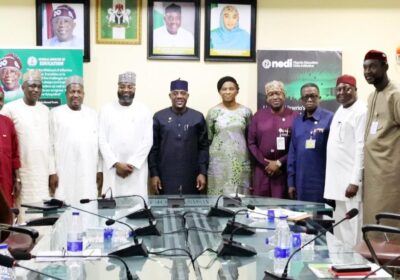
The move came to the fore when the Vice President of the ECOWAS Commission, H.E. Mrs. Damtien L. Tchintchibidja, received Thailand’s Deputy Prime Minister and Minister of Foreign Affairs, H.E. Mr. Sihasak Phuangketkeow, who led a 27-member Thai delegation on a courtesy visit to the new ECOWAS Commission Headquarters in Abuja.
The high-level engagement focused on identifying practical areas of cooperation under the Thailand-Africa Initiative (TAI), while exploring opportunities capable of supporting West Africa’s development priorities.
Welcoming the Thai delegation, Tchintchibidja conveyed the warm greetings and best wishes of the President of the ECOWAS Commission, H.E. Dr. Omar Alieu Touray, describing the visit as an important step towards building a stronger and more productive partnership between ECOWAS and Thailand.
She said the visit reflected the increasingly warm relationship between the two sides and could open new avenues for stronger cooperation between ECOWAS and the Association of Southeast Asian Nations (ASEAN).
According to her, ECOWAS and Thailand share common aspirations for peace, prosperity and sustainable development, making practical partnerships essential to delivering tangible benefits to citizens and advancing inclusive economic growth.
The Vice President stressed the importance of partnerships that go beyond diplomatic engagement to produce measurable development outcomes for the people of West Africa.
Responding, Thailand’s Deputy Prime Minister and Foreign Minister, Phuangketkeow, reaffirmed Thailand’s commitment to placing development cooperation at the heart of its engagement with ECOWAS.
He indicated Thailand’s readiness to explore practical areas of partnership that could support the development priorities of West Africa, signalling an opportunity for stronger collaboration between the two regions.
The Abuja meeting therefore represents a significant step in broadening South-South cooperation, with ECOWAS and Thailand seeking to build a more strategic relationship anchored on shared development priorities, mutual respect and practical economic cooperation.
The engagement also comes at a time when African regional institutions are increasingly looking beyond traditional partnerships for new investment, technology, trade and development opportunities capable of accelerating regional transformation.