

World Population Day 2026: Nigeria, UNFPA Call for Sustained Investment in 31.7% Youthful Population to Unlock Demographic Dividend By Raymond Enoch
The United Nations Population Fund (UNFPA) have called for sustained and strategic investments in Nigeria’s youthful population, noting that the country’s demographic future depends on deliberate policies that guarantee quality education, healthcare, skills development, decent employment and the meaningful participation of young people in nation-building.
Speaking on behalf of the Executive Director of UNFPA, Ms. Diene Keita, the UNFPA Resident Representative in Nigeria, Ms. Muriel Mafico, described Nigeria’s youthful population as one of the country’s greatest development assets, noting that young people between the ages of 10 and 24 constitute 31.7 per cent of the nation’s population.
She said unlocking Nigeria’s demographic dividend requires sustained investments in young people’s health, education, skills acquisition, decent jobs and meaningful participation in governance and national development.
The UNFPA Executive Director observed that Nigeria is simultaneously experiencing a unique demographic transition, with a rapidly growing population of older persons alongside its expanding youthful population, a trend she said demands forward-looking planning and responsive public policies.
She explained that findings from UNFPA’s recent Demographic Futures Survey revealed that, contrary to common assumptions, most young people still aspire to marry and raise families. However, worsening economic conditions, unemployment, insecurity, housing shortages and the rising cost of living are making those aspirations increasingly difficult to achieve.
> “What young people are telling us is clear: they need security, opportunity and the freedom to make genuine choices about their lives,” she said.
She cautioned governments against adopting policies that pressure citizens into making particular family choices, stressing instead that national policies should safeguard the rights of individuals to freely decide whether, when and with whom to form families, free from coercion, discrimination or violence.
The statement reaffirmed UNFPA’s commitment to working closely with the Federal Government, the National Population Commission and other development partners to strengthen institutions and expand opportunities that will enable every Nigerian youth to realise his or her full potential.
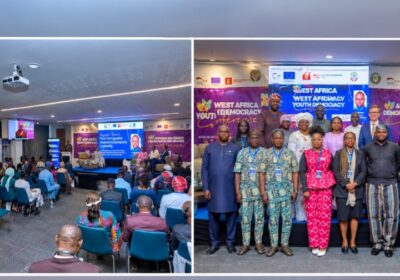
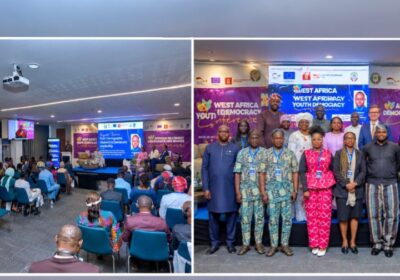
The renewed commitment formed the central message at Nigeria’s commemoration of the 2026 World Population Day, held at the NAF Conference Centre, Jahi, Abuja, under the theme: “Realizing the Hopes and Aspirations of Young People — Today and for the Future.”
In his welcome address, the Chairman of the National Population Commission said World Population Day offers Nigeria an opportunity to reflect on the demographic realities shaping the country’s future, stressing that population is far more than statistics—it is about people, families, aspirations and opportunities.
He noted that with an estimated population exceeding 238 million people, Nigeria remains Africa’s most populous nation and the sixth most populous country in the world. Nearly 70 per cent of Nigerians, he added, are below the age of 30, making the country one of the youngest populations globally.
According to him, this youthful population represents an enormous reservoir of innovation, entrepreneurship, productivity and economic transformation, but warned that such a demographic advantage will only translate into prosperity through deliberate and sustained investments.
> “A youthful population does not automatically translate into a demographic dividend,” he declared, adding that the critical question before Nigeria is whether sufficient investments are being made to transform its young population into a healthy, educated, skilled and productive workforce.
He warned that failure to adequately invest in young Nigerians could fuel unemployment, insecurity and social instability, while sustained investments in education, healthcare, sexual and reproductive health services, entrepreneurship, digital inclusion, climate resilience and youth participation would unlock the nation’s demographic dividend.
The NPC Chairman lamented that structural barriers—including unemployment, underemployment, inequality, inadequate healthcare, gender-based violence and limited economic opportunities—continue to frustrate the hopes and aspirations of millions of Nigerian youths.
Citing findings from the 2024 Nigeria Demographic and Health Survey, he said adolescent birth rates remain high, contraceptive use among young women is critically low, while many sexually active adolescents continue to have unmet family planning needs.
He therefore urged governments, development partners, civil society organisations, academia, the private sector and the media to move beyond dialogue by placing young people at the centre of national development planning.
He further challenged policymakers to stop designing programmes merely for young people and instead actively involve them in shaping the policies and decisions that directly affect their future.
Delivering the message of the United Nations Secretary-General, conveyed by the United Nations Resident and Humanitarian Coordinator in Nigeria, Mr. Mohamed Malick Fall, the global body described Nigeria’s young people as the nation’s greatest resource and one of its strongest hopes for a more prosperous future.
The Secretary-General noted that about 73 million Nigerians—representing 31.8 per cent of the population—are between the ages of 10 and 24, possessing the energy, creativity and leadership needed to confront today’s complex global challenges.
He, however, warned that insecurity, inequality, climate change, technological disruption and economic uncertainties continue to limit opportunities available to many young Nigerians.
According to the United Nations, one in every three Nigerian women aged between 20 and 24 was married before the age of 18, while adolescent birth rates remain significantly higher among girls with little or no education than among those who completed higher education.
The Secretary-General stressed that these disparities are the products of inequality rather than inevitability, insisting that targeted investments in education, healthcare, family planning, employment and youth participation remain indispensable for sustainable national development.
He also acknowledged the resilience and leadership demonstrated by Nigerian youths across different sectors, urging governments to reciprocate by investing in quality education, expanding access to sexual and reproductive healthcare, creating decent employment opportunities and ensuring that young people participate meaningfully in decisions that shape their future.
The event attracted senior government officials, members of the National Assembly, representatives of federal ministries, development partners, civil society organisations, youth groups, academics, traditional and religious leaders, members of the diplomatic community and media practitioners, all of whom reaffirmed their commitment to building a more inclusive, equitable and prosperous Nigeria where every young person has the opportunity to realise his or her full potential.
The 2026 World Population Day commemoration concluded with a renewed consensus that Nigeria’s demographic future will be determined not by the size of its youthful population alone, but by the quality of investments made today to empower the next generation with education, health, skills, opportunities and the freedom to shape its own future.