

UNFINISHED DEBT: PRESSURE MOUNTS ON NATIONAL ASSEMBLY TO HONOUR SOLO SANDENG’S SACRIFICE By Raymond Enoch
A fresh wave of public concern is building in The Gambia as calls grow louder for lawmakers to revisit the country’s controversial Elections Act and fulfil what many describe as a “moral debt” owed to late pro-democracy activist Solo Sandeng.
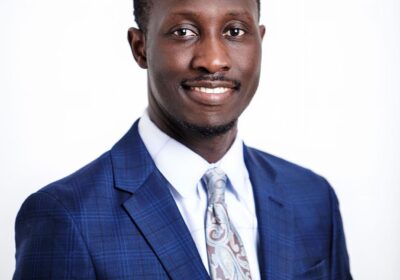
The call follows a powerful opinion piece written by Sarjo Barrow, Esq., a Gambian legal practitioner based in the United States, who argues that the country’s current electoral framework betrays the very ideals Sandeng died for. Barrow’s reflections were inspired by a recent media appearance of Sandeng’s daughter, Fatima, whose calm but emotional recount of her father’s legacy has reignited national conversation.
Sandeng, a key figure in the struggle for democratic reform, died in April 2016 after being arrested during a peaceful protest demanding electoral fairness. Nearly a decade later, many believe the promise of that struggle remains unfulfilled.
At the centre of the controversy is the Elections Act passed by the National Assembly on September 29, 2025. Critics say the law introduces steep financial barriers that make it difficult for ordinary Gambians to contest elections. Nomination fees for presidential candidates have reportedly risen sharply, alongside increased costs for parliamentary and local government positions.
Barrow argues that these changes effectively shut out average citizens, leaving political participation in the hands of the wealthy. For many observers, this raises a troubling question: whose democracy is The Gambia building?
“This is not what people like Solo Sandeng fought for,” Barrow wrote, warning that the law risks reversing hard-won democratic gains.
The debate goes beyond just the Elections Act. Analysts point out that The Gambia is still operating under the 1997 Constitution, a document widely criticised for being a legacy of former authoritarian rule. Attempts to replace it with a new constitution have repeatedly failed, leaving the country’s democratic transition incomplete.
Barrow insists that the incoming 7th Legislature must take urgent steps to correct what he describes as a historic failure. He is calling for a full review of the Elections Act, alongside renewed efforts to adopt a new constitution that reflects democratic values.
In a symbolic proposal, Barrow also urged lawmakers to rename a reformed electoral law after Sandeng, suggesting the “SANDENG Act” as a lasting tribute. According to him, such a move would ensure that future leaders never forget the price paid for democratic freedom.
Across The Gambia, reactions have been mixed but intense. Civil society groups, youth activists, and political observers have echoed the need for reforms that make elections more inclusive and accessible.
For many, the issue is deeply personal. Fatima Sandeng’s recent public remarks have become a rallying point, reminding the nation that behind every political debate lies a human story of sacrifice.
As the country prepares for the next phase of its democratic journey, attention now turns to the National Assembly. Will lawmakers act to reopen the democratic space, or will the concerns raised fade into silence once again?
For now, one message is clear: the struggle that cost Solo Sandeng his life is not yet complete.
This story is based on an opinion article written by Sarjo Barrow, Esq., from the United States. The views expressed are his. Published by Raymond Enoch.