

SDP’S OSHO PLEDGES TO TURN ABUJA’S LAND INTO FOOD BASKET, JOB CREATION HUB By Raymond Enoch
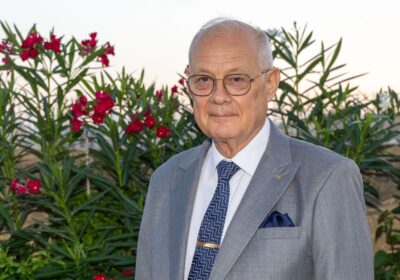
The Social Democratic Party (SDP) senatorial candidate for the Federal Capital Territory (FCT), Olarewaju Osho, has unveiled an agricultural-driven vision for Abuja, promising to leverage the territory’s vast land resources to boost food production, create jobs and reduce dependence on food supplies from other parts of Nigeria.
Osho made the pledge on Monday in Abuja during a roundtable engagement with members of the Association of Corporate Online Editors (ACOE), where he outlined his broader development agenda ahead of the senatorial election.
The candidate said his vision for the FCT would extend beyond the traditional emphasis on roads and physical infrastructure, arguing that sustainable development must also address food security, employment, healthcare, youth empowerment, tourism and sports.
According to him, Abuja possesses enormous agricultural potential that remains largely untapped despite the rapid growth of its population and rising pressure on household incomes.
He said the territory could produce a significant proportion of the food consumed by its residents if available agricultural land was properly identified, planned and supported.
“We have the land. We have the people. What is required is deliberate planning and the political will to make agriculture work,” Osho said.
He explained that his proposed agricultural intervention would focus on identifying suitable land, supporting farmers and creating an enabling environment for agricultural activities to coexist with the FCT’s expanding urban landscape.
Osho, who previously contested the FCT senatorial seat, said agriculture was already captured as one of the critical intervention areas in his earlier “Aspire++” manifesto.
He maintained that the FCT required a representative who would move beyond conventional politics and develop practical solutions to challenges confronting residents across the six area councils.
The SDP candidate expressed concern that development conversations around Abuja were often dominated by road construction, stressing that infrastructure alone could not guarantee improved living standards.
He argued that the capital’s development strategy must equally address how residents would feed themselves, earn sustainable incomes and participate in the territory’s growing economy.
Osho said underutilised agricultural land represented not only a missed opportunity for food production but also a lost avenue for youth employment and rural economic development.
He pledged that, if elected, he would use his legislative position to advocate policies and programmes capable of strengthening agricultural production, expanding access to support for farmers and promoting collaboration between the FCT Administration, area councils and local communities.
The candidate also promised to deploy effective legislative oversight to ensure that government programmes targeted at residents deliver measurable results.
He said representation should not end with legislation, but must involve sustained engagement with citizens, collaboration with the executive and effective oversight of public programmes.
Osho further promised regular consultations with residents across the six area councils, saying their concerns and lived experiences would form an important basis for his legislative interventions.
He said Abuja had the land, human resources and economic potential to emerge as a model for food security and sustainable urban development if its resources were properly planned and utilised.
“With proper planning, Abuja can feed Abuja,” he said, stressing that agricultural development could simultaneously tackle food insecurity, create employment and strengthen the economic base of rural communities.
He therefore urged FCT residents to look beyond traditional political considerations when choosing their representatives, insisting that the territory needed leaders with practical development plans and the capacity to translate ideas into tangible benefits for residents.