

NIMC Deepens Digital Identity Drive to Boost Service Delivery, National Security By Raymond Enoch
The National Identity Management Commission (NIMC) has reaffirmed its commitment to strengthening Nigeria’s Digital Public Infrastructure (DPI) as part of efforts to improve public service delivery, enhance national security and accelerate socio-economic development.
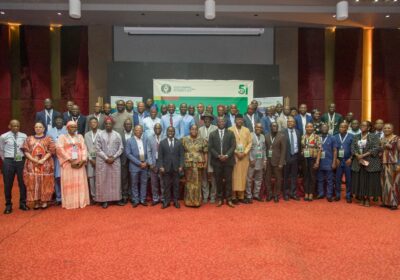
Director-General and Chief Executive Officer of National Identity Management Commission, Engr. Abisoye Coker-Odusote, disclosed this at a digital conference in Abuja themed “Building Africa’s Digital Foundations Together.” She was represented by the Head of Infrastructure Technology and Identity Databases, Mr. Sulaiman Falade.
According to the NIMC boss, the Commission is driving Nigeria’s digital transformation through strategic reforms, institutional collaboration and the deployment of secure digital identity systems designed to provide efficient and seamless services for citizens and residents.
She explained that the National Identification Number (NIN) remains the cornerstone of the country’s digital identity ecosystem, serving as a critical tool for identity verification, digital authentication and access to both public and private sector services.
Coker-Odusote noted that following the Presidential Directive of April 5, 2024, Ministries, Departments and Agencies (MDAs) have been mandated to integrate the NIN into policies relating to data capture, biometric authentication and identity verification across digital platforms. She added that NIMC has already put in place the structures required to ensure effective implementation nationwide.
The DG further emphasized the Federal Government’s vision of creating a unified, secure and interoperable digital identity ecosystem that promotes transparency, accountability and easier access to services for Nigerians.
As part of the broader Digital Public Infrastructure framework, she said NIMC is also advancing the deployment of the National Public Key Infrastructure (nPKI), a system expected to strengthen trust in digital transactions, safeguard citizens’ data and support secure online interactions across the country.
She called on stakeholders in both the public and private sectors to support the implementation of Nigeria’s digital identity ecosystem, stressing that collaboration remains critical to achieving improved service delivery and sustainable national development.
“NIMC remains committed to leveraging technology, innovation and secure digital systems to build a more connected, efficient and resilient nation,” she said.