

GIABA, ECOWAS Gender Centre Lead Regional Push Against Human Trafficking and Transnational Crime in West Africa. By Raymond Enoch
The Intergove rnmental Action Group against Money Laundering in West Africa (GIABA), in partnership with the ECOWAS Centre for Gender Development (CCDG), has convened a high-level Regional Forum in Lagos aimed at strengthening the fight against human trafficking and transnational organized crime across the sub-region.
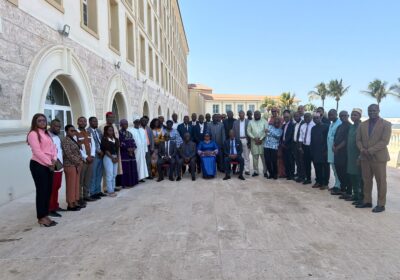
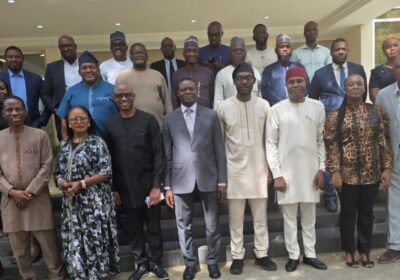
The three-day Forum, titled “Women and Transnational Organized Crime: Risks of Human Trafficking in West Africa,” is holding from December 17 to 19, 2025, and brings together a broad coalition of stakeholders, including policy makers, law enforcement agencies, financial intelligence units, gender experts, and civil society actors.
The Forum responds to growing concerns over the increasing sophistication of human trafficking networks in West Africa and their deep links to transnational organized crime and illicit financial flows. Participants are examining these threats through a gender-sensitive lens, recognizing that women and girls remain disproportionately affected both as victims and, in some cases, as coerced intermediaries within trafficking networks.
In his opening remarks, GIABA officials emphasized the critical role of financial intelligence in disrupting trafficking syndicates, noting that tracing illicit financial flows is key to dismantling criminal networks operating across borders. They stressed that anti-money laundering and counter-financing mechanisms must be better aligned with human trafficking prevention and prosecution strategies.
Representatives of the ECOWAS Centre for Gender Development highlighted the importance of integrating gender equality into security governance, arguing that effective responses to trafficking must address underlying vulnerabilities such as poverty, inequality, unemployment, and limited access to education and justice for women and girls.
The opening session featured strong calls for enhanced regional cooperation, improved data sharing among financial intelligence units, and stronger collaboration between security institutions and gender-focused agencies. Speakers also underscored the need for survivor-centered approaches that protect victims while holding perpetrators financially and criminally accountable.
Throughout the Forum, participants are expected to exchange best practices, assess emerging risks, and develop actionable recommendations to strengthen national and regional responses to human trafficking. Outcomes from the meeting are anticipated to inform ECOWAS-wide policies and operational frameworks aimed at curbing transnational organized crime and safeguarding vulnerable populations.
The Lagos Forum marks a significant step in reinforcing West Africa’s collective resolve to combat human trafficking by linking financial crime prevention, gender empowerment, and regional security under a unified strategy.