

ECOWAS Gender Centre Sharpens Police, Gendarmerie Response to GBV in Côte d’Ivoire, Targets Victims identification, Coordinated referrals and Survivor-centred justice By Raymond Enoch
The ECOWAS Centre for Gender Development (EGDC) has intensified efforts to strengthen the regional fight against gender-based violence (GBV), equipping police, gendarmerie officers and justice-sector focal points in Côte d’Ivoire with practical skills for a more effective and coordinated response to survivors.
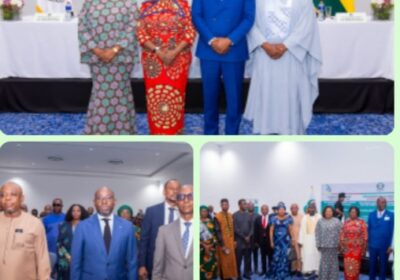
The two-day capacity-building workshop, held from September 16–17, 2026, in Abidjan, brought together Judicial Police Officers (OPJ) from the Police and Gendarmerie, GBV focal points within the justice sector and other frontline actors involved in preventing and responding to gender-based violence.
The initiative was jointly organised by the ECOWAS Centre for Gender Development, the Ministry of Women, Family and Children of Côte d’Ivoire, and the Akwaba Mousso Association, with a central focus on translating GBV response policies into effective action at the operational level.
At the heart of the workshop was the need to strengthen the ability of frontline personnel to prevent GBV, identify victims promptly and ensure that survivors receive appropriate, timely and coordinated support.
The organisers stressed that an effective response to GBV goes beyond investigation and enforcement, requiring frontline institutions to understand the needs and vulnerabilities of survivors and establish mechanisms that connect them to the appropriate support services.
The training therefore sought to enhance practical competencies in victim identification, survivor support, referral mechanisms and access to appropriate care, while reinforcing the importance of coordinated intervention among institutions responsible for security, justice, health and social protection.
A key objective was also to improve collaboration among the different sectors involved in the GBV response chain.
According to the organisers, stronger inter-agency cooperation is essential to preventing gaps in the management of cases, particularly where survivors require simultaneous legal, medical, psychosocial and social protection services.
The Abidjan meeting consequently formed part of a broader ECOWAS effort to consolidate a multisectoral and survivor-centred approach to addressing gender-based violence across the region.
The approach recognises that police and gendarmerie officers are often among the first institutional responders when GBV cases are reported, placing them in a critical position to ensure that victims are properly identified, protected and referred to appropriate services.
Similarly, GBV focal points within the justice sector play an important role in facilitating coordination and ensuring that cases move effectively through the justice and support systems.
By bringing these actors together, the workshop sought to strengthen the links between the various stages of GBV response—from identification and reporting to referral, protection, care and access to justice.
The intervention also reflects the ECOWAS Gender Centre’s broader objective of strengthening institutional capacity and promoting regional mechanisms capable of responding more effectively to gender-related challenges affecting women and vulnerable populations.
For Côte d’Ivoire, the engagement provides an opportunity to further reinforce cooperation among security institutions, judicial authorities and social and health services, while building a more coherent framework for supporting survivors.
The organisers underscored the importance of ensuring that survivors are treated with dignity and receive coordinated assistance without unnecessary delays or institutional barriers.
The capacity-building exercise in Abidjan thus represents another step towards strengthening frontline institutions and improving the quality of GBV prevention and response, while advancing a more integrated regional approach to protecting victims and supporting survivors.