

ECOWAS Anniversary: Women Take the Lead in Shaping West Africa’s Future Under Vision 2050 By Raymond Enoch
The Economic Community of West African States (ECOWAS) has marked its 51st anniversary with a renewed drive to strengthen regional integration, peace and citizen participation, as women leaders in Côte d’Ivoire rallied support for the implementation of the bloc’s ambitious Vision 2050 agenda.
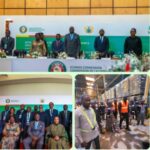
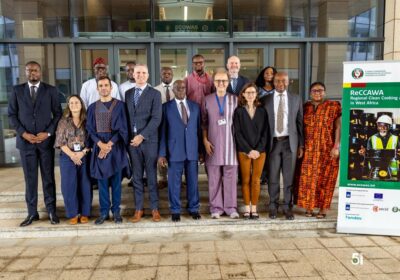
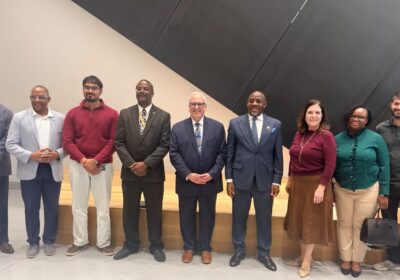
The ECOWAS Permanent Delegation in Côte d’Ivoire organized a series of commemorative activities in Grand-Bassam on June 8 and 9, 2026, bringing together queen mothers, leaders of women’s organizations, civil society groups, institutional partners, media practitioners and community stakeholders to reflect on the future of West Africa and the role citizens must play in shaping it.
Central to the celebration was a workshop dedicated to promoting ECOWAS Vision 2050 and the Community’s Early Warning and Response System, both of which are regarded as strategic instruments for fostering peace, stability and sustainable development across the sub-region.
The engagement highlighted the increasing recognition of women as critical actors in conflict prevention, peacebuilding and community development. Participants stressed that empowering women and strengthening their involvement in governance and social mobilization would be crucial to achieving the long-term objectives outlined in Vision 2050.
The anniversary celebration comes at a defining moment for ECOWAS. Established on May 28, 1975, through the Treaty of Lagos, the regional bloc was founded to promote economic cooperation and integration among West African nations. Over the past five decades, ECOWAS has grown into one of Africa’s most influential regional organizations, playing leading roles in peacekeeping, democratic governance, trade facilitation and the free movement of persons across member states.
Despite these achievements, the region continues to grapple with a range of challenges, including insecurity, terrorism, political instability, climate-related pressures, unemployment and economic uncertainties. These realities have prompted the bloc to adopt a forward-looking strategy through Vision 2050, a blueprint aimed at transforming ECOWAS into a fully integrated, peaceful, prosperous and people-centred community.
Unlike previous frameworks that focused primarily on state institutions, Vision 2050 places citizens at the heart of regional development, emphasizing inclusive governance, economic transformation, social cohesion, environmental sustainability and stronger community participation.
Speakers at the Grand-Bassam event noted that women remain among the most influential voices within communities and are often at the forefront of efforts to mediate conflicts, promote social harmony and support vulnerable populations. They argued that their involvement in ECOWAS initiatives would significantly strengthen early warning mechanisms and enhance efforts to prevent crises before they escalate.
The gathering also served as a platform for raising awareness about the goals of Vision 2050 and encouraging broader public ownership of the regional integration project. Participants pledged to support initiatives that promote peace, strengthen civic engagement and advance the collective aspirations of West Africans.
As ECOWAS enters its sixth decade, the anniversary celebrations in Côte d’Ivoire reflected a broader determination to build a more resilient and united region. The message from Grand-Bassam was one of shared responsibility: that the realization of Vision 2050 will depend not only on governments and institutions but also on the active involvement of citizens, especially women, whose leadership and influence continue to shape the future of West Africa.