

West African Trade Ministers Move to Strengthen Regional Integration Amid Global Economic Uncertainty By Raymond Enoch
The Trade and Industry Ministers from member states of the Economic Community of West African States (ECOWAS) have intensified efforts to strengthen regional integration and economic cooperation as the sub-region navigates growing global economic uncertainties and evolving continental trade dynamics.
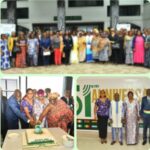
The ministers met in Accra, Ghana, from June 11 to 12, 2026, for the Fifth Meeting of ECOWAS Ministers of Trade and Industry (ECOMOTI-5), convened by the ECOWAS Commission through its Department of Economic Affairs and Agriculture.
The high-level meeting provided a platform for ministers to review expert recommendations, offer political guidance, and take strategic decisions aimed at advancing the region’s agenda on trade, industry, investment, competition policy, and consumer protection.
The gathering comes at a critical period for West Africa as governments across the region grapple with the impact of changing global economic conditions, shifting trade patterns, supply chain disruptions, inflationary pressures, and the opportunities presented by deeper African economic integration.
According to the ECOWAS Commission, the meeting built upon extensive technical deliberations conducted by regional experts who examined key economic and trade issues affecting member states. These expert sessions produced detailed analyses and recommendations designed to enhance regional competitiveness and accelerate economic transformation.
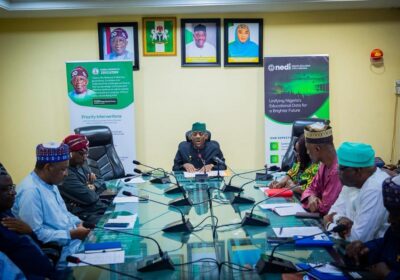
At the ministerial session, participants reviewed these recommendations and discussed practical measures to strengthen industrial development, improve the investment climate, facilitate trade among member countries, and promote fair competition within the regional market.
The ministers also underscored the need for coordinated policy actions to ensure that ECOWAS member states are better positioned to respond collectively to emerging global and continental economic developments.
Observers note that the meeting reflects ECOWAS’ determination to deepen regional integration by harmonising economic policies, reducing barriers to trade, and creating a more enabling environment for businesses and investors operating across West Africa.
Discussions further focused on leveraging the opportunities created by the African Continental Free Trade Area (AfCFTA), which is expected to expand market access, boost industrialisation, and strengthen intra-African trade.
Participants stressed that stronger regional cooperation remains essential for achieving sustainable economic development, job creation, industrial growth, and improved living standards for citizens across the sub-region.
The ministers emphasized that a unified regional approach would help member states address economic vulnerabilities, enhance resilience against external shocks, and promote inclusive growth in an increasingly competitive global economy.
The outcome of the Accra meeting is expected to guide future policy decisions and programmes within ECOWAS as the bloc continues its efforts to build a more integrated, prosperous, and economically resilient West Africa.
The ECOMOTI-5 meeting concluded with renewed commitments from member states to advance regional trade, strengthen industrial capacity, attract investment, and foster economic cooperation as key pillars for sustainable development and regional prosperity.