

ECOWAS Advances Regional Forest Conservation Plan to Combat Deforestation and Climate Change Threats By Raymond Enoch
The Economic Community of West African States (ECOWAS) has taken a significant step toward strengthening environmental sustainability in the region with the validation of a revised Forest Convergence Plan (FCP) 2026–2035, a strategic framework aimed at addressing deforestation, biodiversity loss and climate change across West Africa.
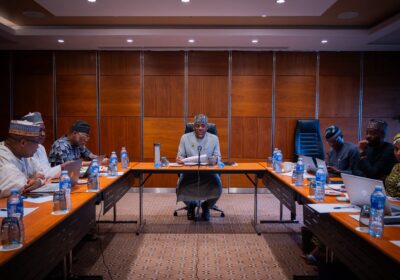
The validation took place during a Regional Technical Validation Workshop held in Conakry, Guinea, from June 8 to 10, 2026, bringing together forestry and wildlife experts from ECOWAS Member States, development partners and civil society organizations.
Organized by the ECOWAS Directorate of Environment and Natural Resources in collaboration with the Food and Agriculture Organization (FAO), the workshop focused on refining and endorsing the regional plan that will guide forest management and conservation efforts over the next decade.
Speaking at the opening ceremony, ECOWAS Commissioner for Economic Affairs and Agriculture, Dr. Kalilou Sylla, emphasized the urgency of collective action to confront environmental challenges threatening the region’s ecosystems and livelihoods.
He noted that the revised Forest Convergence Plan aligns with the ECOWAS Vision 2050 and incorporates emerging priorities such as climate resilience, gender inclusion, biodiversity conservation and community participation in natural resource management.
According to Dr. Sylla, forests play a vital role in sustaining economic growth, food security and ecological balance, making their protection a regional priority.
The workshop provided participants with an opportunity to review the updated plan, assess implementation strategies and strengthen cooperation among Member States on sustainable forest governance. Discussions also highlighted the need for coordinated action against illegal logging, habitat destruction and other threats to biodiversity.
Experts at the meeting described the revised Forest Convergence Plan as a crucial instrument for promoting sustainable forest management while helping ECOWAS countries meet regional and international commitments on climate action and environmental protection.
The validated plan is expected to serve as a guiding framework for policies and programmes aimed at preserving West Africa’s forest resources, empowering local communities and enhancing the region’s resilience to climate-related challenges.
As environmental pressures continue to mount, ECOWAS’ renewed commitment through the Forest Convergence Plan reflects a broader determination to safeguard the region’s natural heritage and ensure sustainable development for future generations.