

Alausa Orders Six-Month NESRI Review, Demands Accountability Over Education Reform Deliverables By Beauty Akporido Aroh
The Minister of Education, Dr. Maruf Tunji Alausa, CON, has ordered a comprehensive six-month review of deliverables under the Nigeria Education Sector Renewal Initiative (NESRI), demanding greater accountability, ownership and urgency from coordinators and officials responsible for implementing the Federal Government’s education reforms.
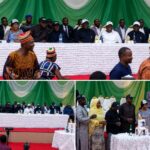
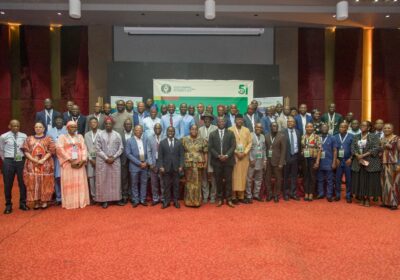
Alausa gave the directive on Friday, August 7, 2026, at the Ministerial Deliverables Meeting on NESRI in Abuja, where the Ministry undertook a detailed assessment of progress made since its last NESRI retreat in February.
The review, according to the Minister, is intended to move the reform process beyond activities and announcements to measurable outcomes that directly improve the quality and accessibility of education for Nigerians.
The meeting examined four major areas: verification of completed deliverables, identification of pending assignments and implementation bottlenecks, setting of realistic timelines for outstanding tasks, and consideration of new deliverables and emerging priorities.
An important feature of the review was the Ministry’s decision to scrutinise deliverables reported as completed to determine whether they had actually achieved their intended objectives.
Officials were cautioned against treating assignments as completed merely because implementation had commenced or partial milestones had been reached.
Alausa told coordinators and responsible officials to take full ownership of their respective assignments and ensure that outstanding commitments are delivered within agreed timelines.
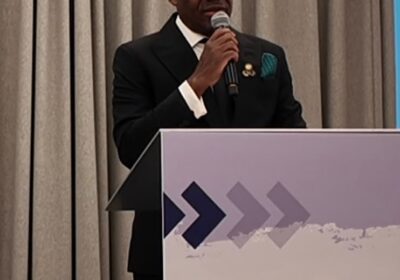
“Today is not about celebrating what we have done and going home. It is about looking at what we have done, what remains to be done and how we can finish what we have started,” the Minister said.
The Minister also directed officials to identify specific bottlenecks affecting delayed deliverables and develop practical measures to resolve them, stressing that responsibility for implementation must be clearly established.
He said the exercise was necessary to ensure that the Ministry’s education reform agenda remains focused on delivery rather than merely generating programmes, meetings and administrative activities.
According to him, the ultimate measure of the Ministry’s performance should be the tangible improvement Nigerians experience in schools and throughout the education system.
Alausa commended ministry officials for their contributions to the education renewal agenda but warned against complacency over achievements already recorded.
He said every milestone achieved should serve as a springboard for the next phase of implementation, rather than an excuse to slow down.
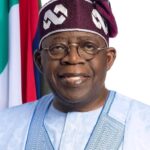
The Minister further highlighted President Bola Ahmed Tinubu’s commitment to transforming Nigeria’s education sector, noting that the administration had continued to provide the political support required to implement reforms targeting access, quality and relevance.
He said the mandate given to him and the Minister of State for Education was clear — to deploy every available opportunity to ensure that Nigerian children have access to quality education capable of equipping them with relevant knowledge and skills.
The NESRI reform agenda covers several critical areas, including Technical and Vocational Education and Training (TVET), Science, Technology, Engineering and Mathematics (STEM), the out-of-school children crisis, girl-child education, quality assurance, data and digitalisation, among other priorities.
The Minister urged programme coordinators, directors and other officials to deepen collaboration while maintaining clear responsibility for individual deliverables.
He stressed that the success of the reforms would ultimately depend on the ability of officials to convert policy commitments into sustainable results across the country’s education system.
Alausa assured Nigerians that the Ministry would remain focused on sustaining ongoing reforms, addressing emerging challenges and implementing the education agenda of the Tinubu administration.
He said the overarching objective remained the development of an education system that gives every Nigerian child a genuine opportunity to learn, acquire relevant skills and fulfil their potential.