

Police, Media Share Common Purpose — AIG Victor Olaiya By Raymond Enoch
The Assistant Inspector-General of Police, Zone 7 Headquarters, Abuja, AIG Victor Olaiya, has called for stronger collaboration between the Nigeria Police Force and the media, stressing that both institutions share a common purpose of keeping Nigerians informed, safe and confident in the face of growing security challenges.
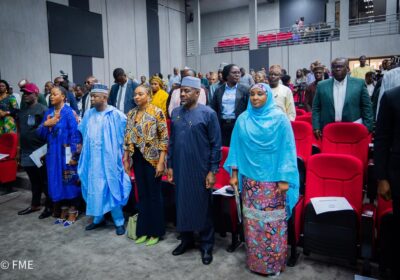
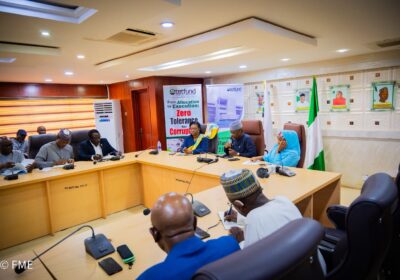
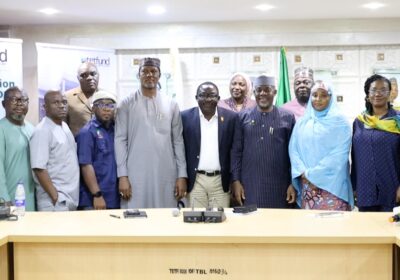
Olaiya made the call on Tuesday in Abuja while declaring open a two-day media interaction organised by Zone 7 in collaboration with media stakeholders, with the theme: “Reporting Security in the Digital Age: Curtailing Misinformation, Preventing Panic and Upholding Fact-Based Journalism in Nigeria.”
The AIG said the rapid expansion of digital platforms had fundamentally changed the speed at which information is produced and consumed, creating both opportunities and serious challenges for security reporting.
According to him, reports, photographs, videos and voice recordings can travel across cities and borders within seconds, often reaching millions of people before their authenticity, accuracy or context is established.
He warned that the consequences of unverified security information could be particularly damaging, noting that a misleading headline, an old photograph presented as a current incident or an unsubstantiated report could generate unnecessary panic and distort public perception.
“In matters of security, information is not merely information; it can influence perception, shape behaviour, build confidence or, if mishandled, create fear and uncertainty,” Olaiya said.
He therefore urged journalists to make verification an indispensable part of their reporting process, particularly when dealing with sensitive security matters.
The AIG said the media and police have different professional responsibilities but share a common interest in ensuring that the public has access to credible and timely information.
He stressed that while the Police must improve communication and provide accurate information, journalists equally have a responsibility to ensure that reports are properly sourced, independently verified and presented in the appropriate context.
Olaiya also challenged journalists not to interpret responsible security reporting as avoidance of difficult questions, saying the Police remained open to constructive scrutiny.
“Our objective is not to create a relationship where difficult questions are avoided. Rather, we seek a relationship where difficult questions can be asked responsibly and answered constructively,” he said.
He maintained that public trust could only be strengthened through transparency, professionalism and factual engagement, adding that the media and security agencies must work together to close communication gaps and confront misinformation with facts.
The AIG said the two-day interaction provides an opportunity for the Police and media to address misconceptions, examine challenges confronting security communication and develop practical strategies for responsible reporting in an increasingly digital environment.
He called for a communication culture in which “facts travel faster than rumours,” verification precedes publication and context accompanies information, stressing that responsible journalism should contribute to public safety rather than amplify fear.
Also speaking, the Deputy Commissioner of Police in charge of Administration, Zone 7, DCP Uduak Otu Ita, described the interaction as an important platform for bringing police officers and media practitioners together to understand their respective professional challenges and strengthen their working relationship.
He urged participants to actively engage the resource persons, ask questions, share experiences and use the programme to build stronger professional networks.
The DCP also encouraged journalists to take the conversation beyond the venue by documenting and sharing the lessons and experiences from the interaction with their audiences.
The two-day programme brings together police officers, journalists, representatives of the Nigeria Union of Journalists, the International Institute of Journalism and other professional bodies, resource persons, sponsors and partners.
ASP Halima Mohammed, ANIPR Police Public Relations Officer NPF Zone 7 Headquarters, Abuja said the programme is aimed at promoting accurate security reporting, reducing misinformation, preventing unnecessary public panic and deepening professional ties between the Police and the media. Participants are also expected to benefit from health-related activities, including vital signs checks, eye examinations and provision of reading glasses where necessary.