

ECOWAS Moves to Standardise Border Training Across West Africa By Raymond Enoch
The Economic Community of West African States (ECOWAS) has taken a significant step toward strengthening regional integration with a high-level workshop aimed at harmonising border and immigration training standards across its Member States.
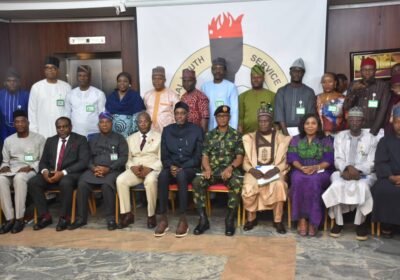
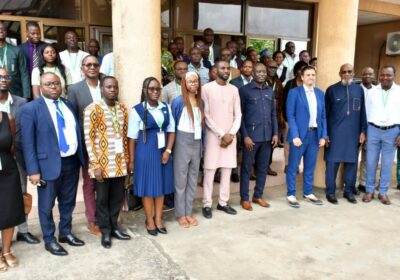
The three-day regional workshop, held from March 24 to 26, 2026, in Praia, Cabo Verde, brought together key stakeholders in migration management, including training academies, government officials, and international partners.
Organised by ECOWAS through its Directorate of Free Movement of Persons and Migration, the workshop focused on assessing existing immigration training systems across the region. Participants examined how well national training programmes align with ECOWAS frameworks, identified major gaps and inconsistencies, and outlined practical steps to improve and unify standards.
Representatives from all ECOWAS Member States attended the meeting, alongside officials from specialised training institutions, as well as international partners such as the International Organization for Migration (IOM) and the International Centre for Migration Policy Development (ICMPD).
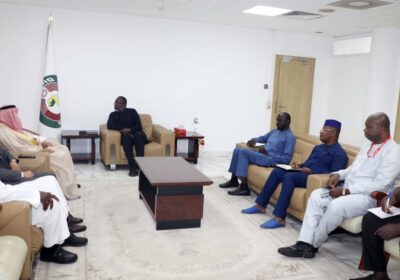
In his welcome address, Cabo Verde’s Director of Migration Services and Border, Manuel Nascimento, urged participants to actively engage in discussions to ensure meaningful outcomes. He emphasised the importance of collaboration in addressing shared migration challenges across the region.
Speaking on behalf of the ECOWAS Commission President, Omar Alieu Touray, and the Commissioner for Economic Affairs and Agriculture, Kalilou Sylla, the Director of Free Movement of Persons, Migration and Tourism, Albert Siaw-Boateng, expressed appreciation to the Government and people of Cabo Verde for hosting the workshop.
He highlighted the importance of the ECOWAS Protocol on Free Movement of Persons, Residence and Establishment as a cornerstone of regional mobility, stressing that harmonised training for border and immigration officials is essential for its effective implementation.
However, he noted that progress has been uneven among Member States. One key concern raised was the slow adoption and implementation of the ECOWAS National Biometric Identity Card, which is expected to ease cross-border movement and improve identity management within the region.
Discussions at the workshop also touched on broader policy challenges, including barriers to market access, restrictive national policies, and the need for reforms to boost the competitiveness of the services sector. Participants explored how regulatory frameworks can be improved to support ongoing regional initiatives such as the African Continental Free Trade Area.
At the end of the workshop, participants are expected to produce concrete recommendations aimed at strengthening training systems, improving coordination among Member States, and promoting a more efficient and secure migration management framework across West Africa.
The ECOWAS Commission reaffirmed its commitment to supporting Member States in achieving deeper regional integration, enhancing mobility, and fostering inclusive and sustainable economic growth in the region.