

ECOWAS JOINS GLOBAL DISASTER RESILIENCE COALITION, MOVES WEST AFRICA TOWARD CLIMATE-SMART INFRASTRUCTURE FUTURE.
By Raymond Enoch
In a decisive move that signals a new chapter for regional climate action, the ECOWAS Commission has formally joined the global Coalition for Disaster Resilient Infrastructure (CDRI), aligning West Africa with an international platform dedicated to strengthening infrastructure against climate and disaster risks.
The landmark event took place on February 17, 2026, at the High Commission of India in Abuja, where top regional and international officials gathered to witness what many described as a strategic shift from emergency response to long-term resilience planning.
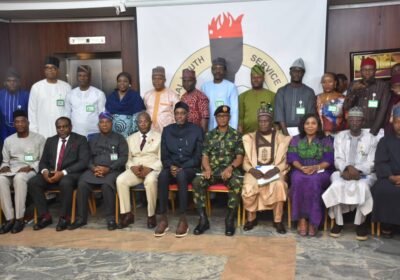
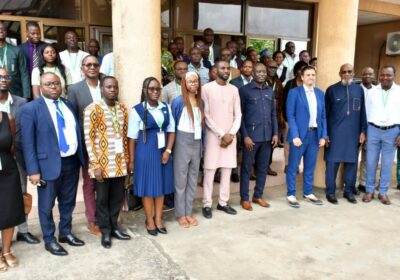
Among those present were India’s High Commissioner to Nigeria, Mr. Abhishek Singh; the ECOWAS Commissioner for Human Development and Social Affairs, Professor Fatou Sow Sarr; Nigeria’s Minister for Housing and Urban Development, Honourable Ahmed Dangiwa (represented); Director-General of the National Emergency Management Agency, Mrs. Zubaida Umar; as well as diplomats, development partners and representatives of the Coalition.
The Coalition for Disaster Resilient Infrastructure, launched by Narendra Modi at the 2019 UN Climate Action Summit, brings together governments and institutions committed to promoting infrastructure systems capable of withstanding climate shocks and natural disasters. By joining the coalition, ECOWAS Commission positions West Africa within a global framework designed to anticipate, absorb and recover from climate-related disruptions.
For a region increasingly battered by floods, prolonged droughts, coastal erosion and fragile public infrastructure, the timing is critical. In recent years, extreme weather events have displaced communities, strained national budgets and exposed vulnerabilities in transport, housing and energy systems across several member states.
Professor Sarr described the accession as more than symbolic. She called it a strategic milestone that reinforces ECOWAS’ determination to embed climate adaptation and disaster risk reduction into regional development planning.
According to her, the shift must be deliberate: less reaction, more prevention; fewer emergency repairs, more resilient construction.
She also drew attention to ongoing regional frameworks aimed at building community and institutional resilience, including initiatives supported by the United Nations Development Programme under the Sweden-funded Sahel Resilience Project. These efforts, she noted, provide a foundation upon which ECOWAS can scale up climate-smart infrastructure planning through its new global partnership.
Speakers at the ceremony stressed that resilient infrastructure is no longer optional for developing economies. Roads, bridges, power grids, schools and hospitals must be designed not only for growth, but for survival in an era of intensifying climate volatility.
With its entry into CDRI, ECOWAS signals that West Africa intends to move from vulnerability to preparedness, from recovery to resilience. The message from Abuja was clear: the region is ready to build smarter, stronger and safer—before the next disaster strikes.