

ECOWAS Expands Safe Water Access with Landmark Launch of AWPs Water Projects in The Gambia, Sierra Leone By Raymond Enoch
The Economic Community of West African States (ECOWAS) has taken another significant step towards improving access to safe drinking water across the region with the official launch of the construction of solar-powered Autonomous Water Points (AWPs) in The Gambia and Sierra Leone, reinforcing its commitment to improving the lives of vulnerable communities.
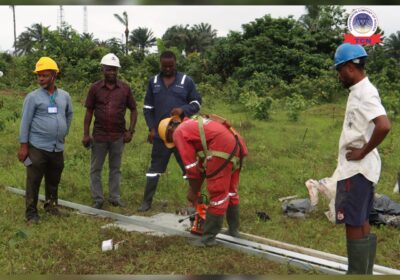
The groundbreaking ceremonies, held within five days of each other in Busura, about 50 kilometres from Banjul, and Ginger Hall, a suburb of Freetown, mark a major milestone under ECOWAS’ Special Project on “Improving Access to Safe Drinking Water for Vulnerable Populations in ECOWAS Member States.”
The initiative is designed to provide sustainable, climate-resilient water infrastructure powered by solar energy, ensuring reliable access to clean water while reducing dependence on conventional energy sources.
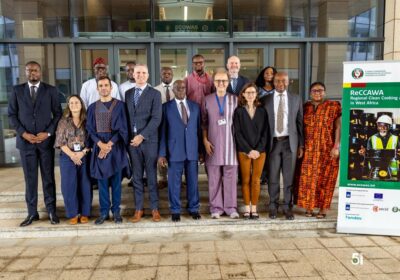
In The Gambia, the launch ceremony was led by the President of the ECOWAS Commission, Dr. Omar Alieu Touray, alongside the ECOWAS Commissioner for Internal Services and the country’s Minister of Fisheries, Water Resources and Parliamentary Affairs. Their presence underscored the strategic importance ECOWAS attaches to water security as a catalyst for public health, economic development and social inclusion.
In Sierra Leone, the President of the ECOWAS Commission was represented by his Chief of Staff, who joined the Permanent Secretary of the Ministry of Water Resources and Sanitation during the official ceremony. The event followed the formal handover of project sites to contractors on June 16, paving the way for construction to commence.
Also in attendance at both ceremonies were ECOWAS Resident Representatives, Heads of National Offices, the Director of the ECOWAS Water Resources Management Centre (WRMC), traditional leaders, local authorities and members of the beneficiary communities.
The Autonomous Water Points are expected to deliver sustainable access to potable water for underserved communities, strengthen public health outcomes, improve sanitation, and support livelihoods, particularly for women and children who often bear the burden of fetching water over long distances.
The project further demonstrates ECOWAS’ growing investment in people-centred development initiatives that address basic social needs while advancing the Sustainable Development Goals and the regional integration agenda.
By extending modern, solar-powered water infrastructure to vulnerable populations in both countries, ECOWAS continues to translate its vision of regional solidarity into practical interventions that improve the quality of life for citizens across West Africa.
The twin launches in The Gambia and Sierra Leone reaffirm the Commission’s determination to promote equitable access to essential services and build resilient communities capable of withstanding climate and development challenges across the ECOWAS region.