

ECOWAS Moves to End Rice Imports, Meets Partners, Targets Self-Sufficiency by 2035 By Raymond Enoch
In a bold push to strengthen food security and reduce West Africa’s dependence on imported rice, the Economic Community of West African States (ECOWAS) and its development partners have launched a major regional investment drive aimed at achieving rice self-sufficiency across the sub-region by 2035.
The initiative took centre stage at a high-level Regional Round Table on Investment in the Rice Sector in West Africa, which opened in Accra on Tuesday under the theme, “Mobilising Resources to Achieve Rice Self-Sufficiency in West Africa.”
The two-day gathering, organised by the ECOWAS Commission with support from the World Bank and the African Development Bank, is expected to galvanise public, private and blended financing for the implementation of national and regional rice development programmes.
The meeting comes at a time when West Africa continues to spend billions of dollars annually on rice imports despite possessing vast agricultural potential capable of meeting domestic demand.
Opening the roundtable on behalf of President John Dramani Mahama, Ghana’s Vice-President, Jane Naana Opoku-Agyemang, described the quest for rice self-sufficiency as a defining test of Africa’s economic resilience and regional integration.
According to her, the challenge extends beyond agricultural production and touches on the broader questions of economic transformation, food sovereignty and the continent’s capacity to achieve sustainable self-reliance.
“This meeting is about much more than rice,” she stressed. “It is about our collective ability to transform our economies and build a future where Africa can feed itself with dignity.”
The event attracted senior policymakers, development finance institutions, investors and agricultural stakeholders from across the region, reflecting growing urgency around food security amid rising global market uncertainties and climate-related disruptions.
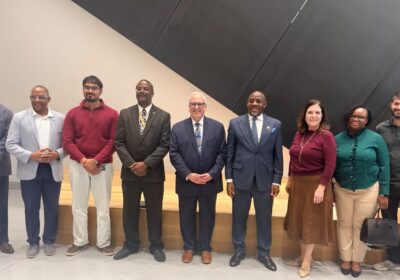
Among those who addressed participants were Ghana’s Minister of Food and Agriculture, Eric Opoku; Deputy Finance Minister, Thomas Nyarko Ampem; World Bank Vice-President for the Global Environment, Guangzhe Chen; and AfDB representative, Richard Ofori-Mante.
A key highlight of the session was the presentation of the strategic framework titled “Vision for Rice Self-Sufficiency in West Africa by 2035,” delivered by Kalilou Sylla.
The blueprint outlines a coordinated regional approach focused on increasing productivity, expanding irrigation infrastructure, improving seed systems, strengthening agricultural value chains, boosting processing capacity and attracting long-term investment into the rice sector.
President of the ECOWAS Commission, Omar Alieu Touray, used the occasion to reaffirm the bloc’s commitment to transforming agriculture into a pillar of regional prosperity.
“ECOWAS’ ambition is to establish competitive, inclusive and sustainable agri-food systems that strengthen food sovereignty, create jobs and promote shared prosperity, while achieving regional self-sufficiency in rice by 2035,” he said.
Touray described the Accra roundtable as a decisive turning point, emphasizing that the region must move beyond policy discussions and translate commitments into concrete investments capable of delivering measurable outcomes for farmers and consumers alike.
Analysts say the initiative could significantly reduce the region’s exposure to external food supply shocks while creating millions of jobs across production, processing, logistics and marketing segments of the rice value chain.
For ECOWAS, the stakes are high. With a rapidly growing population and increasing food demand, achieving rice self-sufficiency has become both an economic necessity and a strategic imperative.
As deliberations continue in Accra, stakeholders are expected to develop financing mechanisms and investment commitments that could reshape the future of rice production in West Africa and bring the region closer to its long-standing goal of food sovereignty.
The message emerging from the roundtable is clear: West Africa is determined to turn its vast agricultural potential into a powerful engine of food security, economic growth and regional integration, with rice at the heart of that transformation.