

ECOWAS, Sierra Leone Partner to Expand Access to Clean Cooking Energy By Raymond Enoch
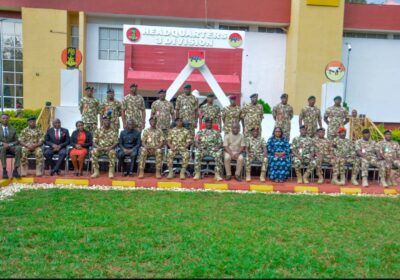
A new chapter in West Africa’s clean energy transition has begun as the Economic Community of West African States (ECOWAS), in collaboration with the Government of Sierra Leone, officially launched the LPG 20/20 Initiative in Freetown.
The launch, held on 28th April, 2026, signals a decisive move to expand access to cleaner, safer cooking energy for thousands of households across Sierra Leone. It also highlights a growing regional commitment to address the health, environmental, and social challenges linked to traditional cooking methods.
For many families in Sierra Leone and across West Africa, cooking with firewood and charcoal remains a daily reality. While these fuels are widely available, they come with serious consequences. Indoor air pollution from smoke-filled kitchens continues to pose significant health risks, particularly for women and children who spend the most time around cooking spaces.
The LPG 20/20 Initiative is designed to change that reality. By promoting the use of liquefied petroleum gas (LPG), the programme aims to provide a cleaner and more efficient alternative that reduces harmful emissions and improves overall quality of life.
In its pilot phase, the initiative is expected to support the transition of up to 10,000 households to LPG cooking gas. For beneficiaries, this means access to modern cooking equipment that is faster, safer, and less damaging to health.
The launch is described as a programme that is more than just an energy intervention. Accordingly, it is a comprehensive development effort that touches on public health, gender equality, environmental protection, and economic growth.
Women, who are often responsible for cooking and fuel collection, stand to benefit significantly. The shift to LPG reduces exposure to smoke and eliminates the time-consuming task of gathering firewood. This, in turn, creates opportunities for education, entrepreneurship, and improved livelihoods.
Children are also expected to benefit from safer home environments. Reduced exposure to smoke lowers the risk of respiratory illnesses, while the time saved from fuel collection can be redirected toward schooling and personal development.
Environmental sustainability is another key driver of the initiative. The heavy reliance on firewood and charcoal has contributed to deforestation in many parts of the region. By encouraging the use of LPG, the programme aims to ease pressure on forest resources and support broader climate action goals.
However, the success of the initiative depends on more than awareness and distribution. ECOWAS and its partners are focused on building a strong foundation that ensures long-term adoption. This includes creating an enabling environment for private sector participation, establishing safety standards, and strengthening supply chains.
Making LPG accessible and affordable remains a top priority. Without reliable availability and competitive pricing, many households may be unable to sustain the transition. To address this, stakeholders are working to attract investment and improve infrastructure across the LPG value chain.
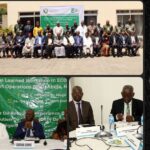
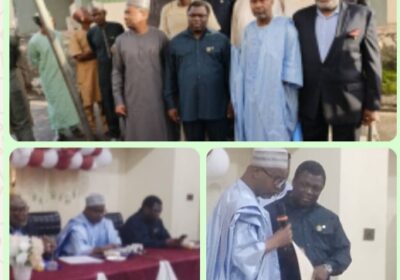
The launch event also featured a high-level policy dialogue that brought together government officials, development partners, and industry players. Discussions centered on strategies to scale up clean cooking solutions, including policy reforms, financing mechanisms, and public awareness campaigns.
For Sierra Leone, the initiative aligns with national development priorities aimed at improving energy access, protecting the environment, and enhancing public health. It represents a practical step toward achieving sustainable development goals while addressing everyday challenges faced by citizens.
For ECOWAS, the programme reflects a broader regional vision of integration and shared progress. Expanding access to clean energy is seen as essential to economic growth and social stability across member states.
Although the initial rollout targets 10,000 households, the long-term ambition is far greater. If successful, the LPG 20/20 model could be replicated in other ECOWAS countries, potentially transforming millions of homes across West Africa.
Challenges remain, including infrastructure gaps, affordability concerns, and the need for behavioural change. Yet, stakeholders remain optimistic that with the right policies and partnerships, the initiative can deliver lasting impact.
As the programme takes off in Freetown, it sends a clear message: the transition to clean cooking energy is gaining momentum, and the benefits extend far beyond the kitchen.
For thousands of families in Sierra Leone, the shift to LPG represents not just a new way to cook, but a step toward healthier lives, safer homes, and a more sustainable future.