

ECOWAS, GERMANY HAND OVER TRANSFORMATIVE PROJECTS IN THE GAMBIA
By Raymond Enoch
In a powerful demonstration of how strategic investment can translate into real change, the Economic Community of West African States and the German Government are set to formally conclude a landmark development intervention in The Gambia—handing over critical infrastructure and community assets built under the Regional Stabilisation and Development Fund (FRSD).
Scheduled for March 24–26, the official close-out and handover ceremony signals more than the end of a pilot phase; it reflects the tangible outcomes of a shared vision to stabilise fragile communities, strengthen local economies, and create sustainable opportunities—especially for young people and women.
Funded with €13 million from Germany and an additional $1.2 million contribution from ECOWAS, the project has delivered targeted, high-impact infrastructure across key regions, including the Greater Banjul Area, Lower River Region, and Upper River Region. These interventions were carefully designed to unlock productivity, support local industries, and reinforce resilience in communities often challenged by limited access to basic infrastructure.
Across these regions, the footprint of the project is visible and far-reaching. Modern dormitories now support technical training institutions in Mansa-Konko and Julangel, creating space for skill acquisition and human capital development. In Brufut, newly established fish-smoking facilities are boosting the fisheries value chain, improving both productivity and income for local processors.
Complementing these are investments in agriculture—irrigation systems, boreholes, poultry units, and equipment for horticulture—all aimed at enhancing food production, supporting agribusiness, and encouraging entrepreneurship at the grassroots level. Together, these projects are not just infrastructure—they are economic lifelines, designed to sustain livelihoods and reduce vulnerability.
Beyond physical development, the initiative carries a deeper strategic significance. By strengthening local value chains and expanding economic opportunities, it directly addresses one of the region’s pressing challenges: irregular migration. The message is clear—when communities are empowered at home, the incentive to seek uncertain futures elsewhere diminishes.
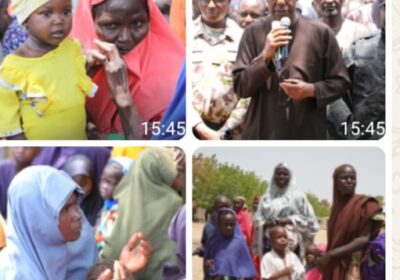
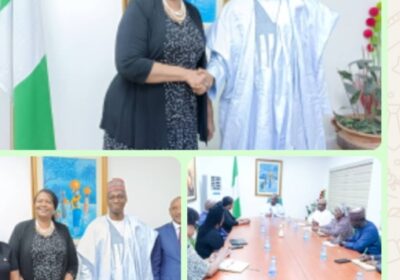
The high-level ceremony will bring together key stakeholders, including the Vice-President of the ECOWAS Commission, Damtien L. Tchintchibidja, representatives of Germany’s Federal Ministry of Economic Cooperation and Development, officials from the Gambian government, members of the ECOWAS Parliament, and beneficiary communities.
For residents in The Gambia, the handover represents a transition—from externally driven intervention to locally sustained progress. It places the responsibility and opportunity squarely in the hands of communities now equipped with the tools to drive their own development.
As ECOWAS and Germany draw the curtain on this pilot phase, the broader implication resonates across the region: development is most effective when it is inclusive, targeted, and rooted in local realities.
In The Gambia, that principle is no longer theoretical—it is already at work.