

ECOWAS Moves to Strengthen Regional Data Systems as Experts Meet in Abidjan to Harmonise Statistics By Raymond Enoch
Experts from across West Africa have gathered in Abidjan for two major regional workshops aimed at strengthening the production of reliable and comparable statistics across the sub-region.
The week-long technical meetings, organised by the Economic Community of West African States (ECOWAS), bring together statisticians, policy experts and development partners from ECOWAS member states and Mauritania to deliberate on improving the region’s statistical systems.
The workshops, taking place from March 9 to 13, 2026, are focused on harmonising how countries collect, analyse and share economic and social data — a move experts say is critical for effective policymaking, regional integration and sustainable development.
Reliable statistics are the backbone of development planning, as governments rely heavily on accurate data to design policies on economic growth, education, health, employment and poverty reduction.
The sessions are being held under the Project for the Harmonization and Improvement of Statistics in West and Central Africa Center (PHASAOC), a regional initiative funded by the World Bank. The project seeks to strengthen the capacity of national statistical institutions and regional bodies to produce high-quality data that can be compared across countries.
According to organisers, the initiative will also help ensure that national statistical systems adopt modern data-collection methods and international standards, thereby improving transparency and credibility in the region’s statistical reporting.
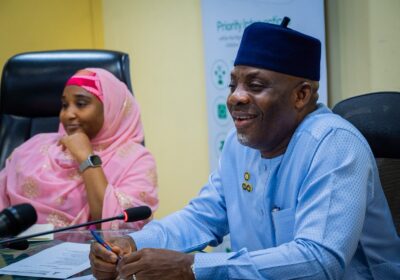
Declaring the workshops open, Prof. Félix N’Zué, Acting Director of Research and Statistics at ECOWAS, emphasised the importance of reliable statistics in shaping the future of West Africa.
He spoke on behalf of Kalilou Sylla, ECOWAS Commissioner for Economic Affairs and Agriculture, who reaffirmed the regional body’s commitment to strengthening data systems within the community.
“Reliable and harmonised statistics are essential for monitoring development progress and guiding decision-making within the ECOWAS region,” he said.
Prof. N’Zué noted that improved statistical coordination among member states would help regional institutions better assess economic performance and social conditions across West Africa.
Also present at the opening ceremony were Mr. Akaffou Franck Hervé, Director of Business Statistics and Economic Conditions at the national statistics agency of Côte d’Ivoire, and Mr. Moritz Meyer, representative of the World Bank.
A representative of Mr. Mohamed El Moctar Ahmed Sidi, Director General of the National Agency for Statistics, Demographic and Economic Analysis of Mauritania, also attended the event.
Participants are expected to review existing statistical frameworks, identify gaps in national data systems and develop strategies for improving collaboration between ECOWAS institutions and national statistics offices.
Experts say harmonised statistics will allow governments and regional bodies to make more informed decisions and track progress on regional economic integration.
Beyond policy planning, the improved data systems are also expected to strengthen economic research, attract investment and provide citizens with clearer insights into the socio-economic realities of the region.
Observers note that the initiative aligns with ECOWAS’ broader agenda of deepening regional cooperation and ensuring that development policies are guided by credible and transparent data.
By the end of the workshops, participants are expected to produce technical recommendations that will guide future statistical reforms across ECOWAS member states.