

IWD 2026: UNFPA. Country Representative Urges Strong Leadership, Partnerships to Accelerate Gender Equality By Raymond Enoch
The Country Representative of United Nations Population Fund (UNFPA) in Nigeria, Ms. Muriel Mafico, has stressed the need for stronger leadership and partnerships to accelerate gender equality and improve the lives of women and girls across the country.
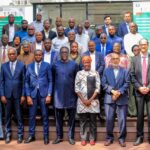
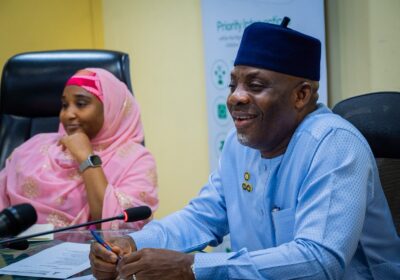
Speaking at the 2026 International Women’s Day press briefing hosted by the Federal Ministry of Women Affairs in Abuja, Mafico said achieving gender equality requires collective action from government institutions, development partners, civil society and communities.
The event, which marked the global celebration of International Women’s Day, was held under the theme “Rights. Justice. Action. For All Women and Girls.”
Mafico commended the leadership of the Minister of Women Affairs, Imaan Sulaiman-Ibrahim, for championing initiatives aimed at advancing the rights, health and4 empowerment of women and girls in Nigeria.
She noted that despite the resilience and contributions of women to families, communities and national development, many still face significant barriers including gender-based violence, harmful practices and limited access to quality maternal healthcare.
Citing findings from the Nigeria Demographic and Health Survey 2023–2024, the UNFPA representative revealed that only 46 per cent of births in Nigeria are attended by skilled health personnel, while one in four women experiences some form of intimate partner violence.
She also expressed concern over harmful traditional practices, noting that Nigeria still has nearly 14 million survivors of female genital mutilation, one of the highest figures globally, while about three in ten young women are married before the age of 18.
However, Mafico said sustained advocacy and policy reforms supported by UNFPA and partners are beginning to yield positive results. According to her, the prevalence of female genital mutilation among women aged 15–49 has declined from 25 per cent in 2013 to 14 per cent in 2024, indicating progress in the fight against the practice.
She explained that UNFPA’s work in Nigeria focuses on three transformative goals: ending preventable maternal deaths, ending unmet need for family planning, and ending gender-based violence and harmful practices.
The UNFPA representative also highlighted the growing leadership role of women in shaping social and economic transformation, noting that empowering women leads to stronger communities and sustainable development.
She further acknowledged the role of men and boys who support gender equality through the global HeForShe campaign, stressing that inclusive partnerships are essential to achieving lasting change.
“Leadership and partnerships are critical if we are to accelerate progress and ensure that every woman and girl can live with dignity, safety and opportunity,” she said.
Mafico called on government leaders, traditional and religious institutions, civil society organisations, youth groups and development partners to renew their commitment to advancing women’s rights.
“As we commemorate International Women’s Day 2026, we must move beyond promises to real action that guarantees rights and justice for all women and girls,” she added.