

Ahead of Cabo Verde Polls 2026, ECOWAS Steps In Early, Deepens Talks with Key Stakeholders By Raymond Enoch
The Economic Community of West African States (ECOWAS) has stepped up efforts to ensure credible and peaceful elections in Cabo Verde, as its pre-election fact-finding mission intensifies consultations with key institutions and political actors ahead of the country’s upcoming polls in 2026.
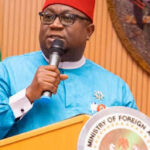
The mission which is ed by Ambassador Abdel-Fatau Musah, PhD, Commissioner for Political Affairs, Peace and Security began its engagements with a strategic briefing at the ECOWAS Permanent Representation in Praia thereby setting the tone for what political affairs observers describe as a comprehensive and pre-elections preventive diplomatic engagement.
The regional mission, already in the island nation for this high-level engagements, met with officials of the National Electoral Commission of Cabo Verde and the Directorate‑General for Electoral Support of Cabo Verde to examine the level of preparedness for the elections.
Discussions focused on the legal framework guiding the process, operational readiness of electoral bodies and measures in place to guarantee a transparent credible and crisis free voting process.
The consultations also extended to major political parties, including the African Party for the Independence of Cabo Verde (PAICV), the Movement for Democracy (MpD), the Democratic and Independent Cabo Verdean Union (UCID) and the Popular Party of Cabo Verde (PP). Party leaders used the opportunity to share their views on the political atmosphere, electoral preparations and the need for a level playing field that would inspire public confidence in the outcome of the polls.
In another round of engagements, the ECOWAS team met with civil society groups and peacebuilding organisations, including the West Africa Network for Peacebuilding (WANEP).
Participants stressed the importance of civic responsibility, open dialogue and responsible communication as vital pillars for protecting democracy and preventing tensions before and after the polls.
Officials familiar with the mission say the ongoing consultations are designed to provide ECOWAS with a clear and balanced picture of the political climate in the country. The findings will guide the regional body in offering timely high level advice and support aimed at strengthening democratic institutions and preventing potential disputes.
The fact-finding exercise forms part of ECOWAS’ commitment under the ECOWAS Supplementary Protocol on Democracy and Good Governance, which encourages early engagement with stakeholders in member states before elections to promote transparency, accountability and peaceful political competition.
In the coming days, the mission is expected to broaden its discussions to include media regulators, security agencies, judicial authorities and international partners. These engagements are intended to ensure that all institutions involved in the electoral process work together to guarantee a credible and peaceful vote.
For ECOWAS, the message is clear: strengthening trust in the electoral system and encouraging dialogue among political actors remain essential steps toward safeguarding democracy in Cabo Verde and across the West African region.