

Nigeria–Germany Development Coopetation Enters New Strategic Phase as UNSC Backing, Energy Deals Top High-Level Talks. By Raymond Enoch
Nigeria and Germany have signaled a renewed strategic push in their bilateral relations following a high-level diplomatic meeting in Abuja that placed multilateral cooperation, energy modernization, and global governance reform at the center of discussions.
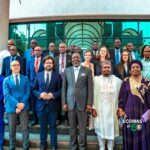
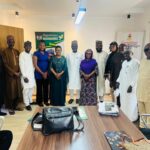
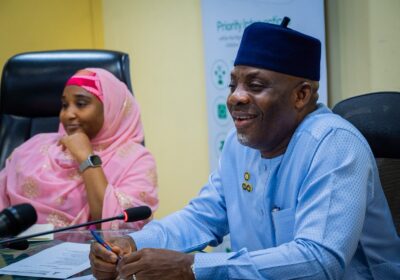
The Permanent Secretary of the Ministry of Foreign Affairs, Ambassador Dunoma Umar Ahmed, received Germany’s Ambassador to Nigeria, Annett Günther, in what insiders describe as a pivotal engagement reflecting the growing weight of Nigeria–Germany ties.
At the heart of the meeting was reciprocal support at the United Nations Security Council (UNSC), a subject that has increasingly shaped diplomatic alignments across regions. Germany, through Ambassador Günther, expressed appreciation for Nigeria’s principled backing of Berlin’s candidature, recalling the 2024 exchange of notes between both governments. She reaffirmed Germany’s long-standing position in support of UN reform — particularly expanded African representation in both permanent and non-permanent seats on the Council.
For Nigeria, the message was clear: partnership must translate into equity within global governance structures.
Ambassador Dunoma Umar Ahmed assured the German envoy that the Ministry would coordinate necessary internal reviews on outstanding documentation tied to reciprocal arrangements, reinforcing Abuja’s readiness for constructive multilateral collaboration.
Beyond diplomacy at the global stage, economic cooperation featured prominently — especially in Nigeria’s energy sector. Germany reiterated its commitment to supporting Nigeria’s energy transmission and distribution modernization, an area regarded as critical to the country’s industrial and economic transformation agenda.
Ambassador Günther expressed optimism that administrative processes would soon be concluded to unlock key German-backed energy projects, blending technical expertise with investment support.
Security cooperation was also reaffirmed, with Germany signaling readiness to deepen capacity-building efforts and collaborative frameworks aimed at strengthening regional stability and countering shared threats.
The meeting built on the momentum of the Nigeria–Germany Bi-National Commission held in November 2025, widely considered a milestone in consolidating strategic cooperation between the two nations.
Diplomatic observers say the tone of the engagement reflects a mature and evolving partnership — one rooted in mutual respect, shared responsibility in multilateral affairs, and practical collaboration in infrastructure, security, and institutional development.
As geopolitical dynamics continue to shift, Abuja and Berlin appear poised to align more closely — not just as bilateral partners, but as strategic actors shaping conversations on global reform, energy transition, and sustainable development.
For Nigeria, the message from Abuja’s diplomatic corridors is unmistakable: the Nigeria–Germany relationship is no longer routine — it is strategic, deliberate, and entering a deeper phase.