

PAPS MANDATE IN ACTION: MUSAH DRIVES ECOWAS MARITIME SECURITY PUSH AT MMCC ZONE F, ACCRA By Raymond Enoch
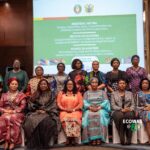
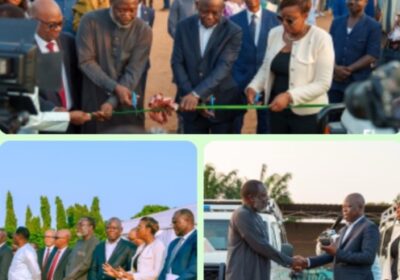
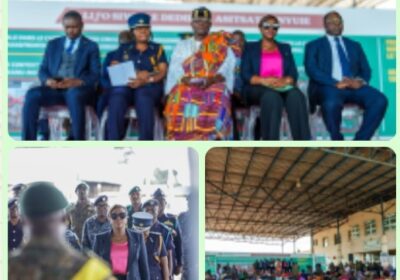
The mandate of the Political Affairs, Peace and Security (PAPS) Directorate of the Economic Community of West African States came alive in Accra on February 19, 2026, as the ECOWAS Commissioner for Political Affairs, Peace and Security, Ambassador Abdel-Fatau Musah, led a high-level delegation to the Multinational Maritime Coordination Centre (MMCC) Zone F in Ghana.
The strategic visit to the maritime facility in Accra was more than ceremonial. It was a clear demonstration of ECOWAS’ renewed determination to secure the Gulf of Guinea and safeguard the region’s maritime domain against piracy, armed robbery at sea, trafficking, and other transnational threats.
At the heart of the mission was a stocktaking exercise—an assessment of progress made and the identification of new priorities to consolidate gains achieved under the ECOWAS Integrated Maritime Strategy. The MMCC Zone F, which coordinates maritime security operations among member states in its zone, stands as one of the operational pillars of regional maritime collaboration.
Ambassador Musah underscored the unwavering support of ECOWAS to maritime security structures across the region. He commended the strides recorded in intelligence sharing, joint patrol coordination, and improved operational synergy among coastal states. According to him, sustaining these gains requires not only political will but also investment in infrastructure, logistics, and the welfare of personnel deployed in maritime centres.
“The security of our maritime zone is directly linked to the stability and economic prosperity of West Africa,” he emphasized, stressing that safe sea lanes are critical for trade, energy supply, and regional integration.
The Commissioner reaffirmed that under the PAPS mandate, ECOWAS remains committed to strengthening collaboration among Member States, enhancing rapid response mechanisms, and ensuring that maritime coordination centres operate in optimal conditions.
His visit to the Accra facility also sent a strong message: regional security is a shared responsibility. From intelligence fusion to coordinated naval deployments, cooperation remains the backbone of ECOWAS’ maritime architecture.
As West Africa continues to confront evolving security threats, the engagement at MMCC Zone F signals a proactive shift—from reactive interventions to preventive, coordinated action anchored in regional solidarity.
For ECOWAS, maritime security is no longer just about protecting waters. It is about protecting livelihoods, strengthening regional trust, and securing the future of West Africa’s blue economy.