

Nigeria Deepens Conflict Prevention Architecture with Stronger Early Warning Capacity. By Raymond Enoch
Nigeria has intensified efforts to strengthen its peace and security architecture with a renewed focus on conflict prevention, as stakeholders from across the peace and security ecosystem converged in Abuja for a high-level engagement on strengthening the National Early Warning Response Group (EWRG).
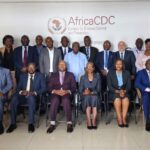
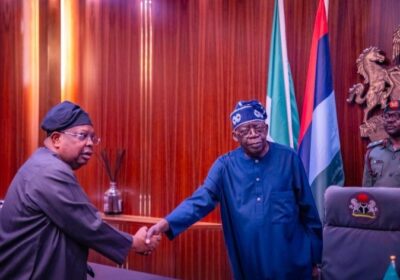
The engagement session featured a keynote address by His Excellency, Ambassador Yusuf Maitama Tuggar, OON, Honourable Minister of Foreign Affairs, who was represented by Mr. Kimiebi Imomotimi Ebienfa, Spokesperson, Ministry of Foreign Affairs, at the event held on Wednesday, 17 December 2025, at the Institute of Peace and Conflict Resolution (IPCR) Conference Hall, Abuja.
In his address, the Foreign Affairs Minister described the capacity-building engagement as a strategic intervention aimed at reinforcing Nigeria’s Early Warning and Early Response (EWER) system, noting that timely, data-driven, and coordinated responses remain critical to preventing violent conflicts and safeguarding national and regional stability.
The session, organised by the IPCR in collaboration with Strengthening Peace and Resilience in Nigeria (SPRiNG)—a flagship initiative of the British Foreign, Commonwealth and Development Office (FCDO)—was praised as a testament to strong bilateral cooperation and shared commitment to sustainable peacebuilding.
Ambassador Tuggar underscored the growing complexity of security challenges confronting Nigeria, Africa, and the global community, ranging from terrorism, banditry, and violent extremism to transnational organised crime. He identified climate change and the proliferation of small arms and light weapons as major drivers of insecurity, particularly in the Sahel and other fragile regions of the continent.
Highlighting Nigeria’s diplomatic and security posture, the Minister reaffirmed the country’s proactive leadership role in regional peace efforts, anchored on President Bola Ahmed Tinubu’s 4-D Foreign Policy Doctrine—development, demography, diaspora engagement, and democracy. He noted that Nigeria’s swift intervention in recent political crises in West Africa reflects its enduring commitment to democratic consolidation, regional stability, and global peace.
The engagement, he added, aligns with Nigeria’s broader objective of enhancing collaboration among government institutions, civil society, security agencies, and development partners to ensure effective early warning reporting and coordinated response mechanisms.
Participants at the session were drawn from a broad spectrum of peace and security stakeholders, forming part of the long-term network under the National Conflict Early Warning and Early Response System (NCEWERS). Through shared experiences and strategic dialogue, the forum aims to strengthen resilience, promote peaceful coexistence, improve justice and inclusivity, and support socio-economic development.
The initiative also dovetails with President Tinubu’s Renewed Hope Agenda, which prioritises national stability, food security, economic growth, and inclusive development as foundations for lasting peace.
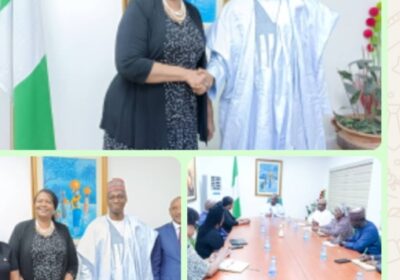
The Foreign Affairs Minister commended the Director-General of the Institute for Peace and Conflict Resolution and the SPRiNG Team Lead under the FCDO for successfully convening the engagement, describing it as a vital step towards institutionalising preventive diplomacy and sustainable peacebuilding in Nigeria and across Africa.
As deliberations continue, stakeholders expressed optimism that the strengthened EWRG framework will enhance Nigeria’s capacity to anticipate, prevent, and respond to emerging conflicts—reinforcing the country’s position as a stabilising force within the region.