

NEPZA, BORNO STATE GOVERNMENT SEAL HIGH-STAKES DEAL TO REAWAKEN, ECONOMY DORMANT TRADE GATEWAY. By Raymond Enoch
In a decisive move that could redraw the economic map of Nigeria’s North East, the Nigeria Export Processing Zones Authority (NEPZA) and the Borno State Government have struck a bold pact to revive the long-abandoned Banki Free Trade Zone, positioning it once more as a strategic commercial bridge between Nigeria and the Maghreb.
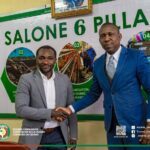
The breakthrough came during a high-level courtesy visit by Borno State Governor, Babagana Zulum, to the NEPZA headquarters in Abuja, where he met with the Authority’s Managing Director and Chief Executive Officer, Olufemi Ogunyemi.
For years, the Banki Border Free Trade Zone has stood still—its promise stalled by flooding, funding shortfalls, and persistent insecurity. But on Tuesday, that narrative shifted.
Dr. Ogunyemi made it clear that NEPZA was prepared to deploy its full institutional weight to breathe life back into the zone.
“There is an urgent need to overhaul this zone,” he said, underscoring its strategic importance as an economic gateway linking Nigeria to North Africa. “We have agreed to leverage our expertise in attracting Foreign Direct Investment and providing technical assistance to transform this business ecosystem that has significant potential to economically empower the North Eastern region of our country.”
His words signalled more than routine bureaucratic support—they pointed to a coordinated rescue mission for a zone once conceived as a powerhouse of cross-border trade and industrial activity.
Governor Zulum, visibly optimistic, described NEPZA’s commitment as rare and timely. He said Borno State was ready to match federal support with substantial investment in infrastructure and reconstruction.
“The state is prepared to make substantial investments in the zone and develop the essential physical infrastructure as we work to bring prosperity closer to our people,” Zulum declared.
He also acknowledged the backing of President Bola Ahmed Tinubu, praising the administration’s continued support for the free trade zone scheme as a pathway to economic growth and industrialisation.
“We are here to take advantage of this,” the governor added pointedly, signalling Borno’s determination to convert policy into prosperity.
The renewed push for Banki comes at a critical time, as Nigeria intensifies efforts to diversify away from oil dependency. Free trade zones have increasingly become central to that strategy, offering tax incentives, export support, and investor-friendly frameworks designed to stimulate manufacturing and trade.
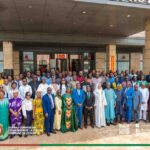
In a related development, the Chairman of the NEPZA Board, Tijjani Yahaya Kaura, assured stakeholders that the newly constituted board would remain steadfast in driving non-oil export growth.
Speaking at the board’s maiden meeting in Abuja, Kaura—himself a former Minister of State for Foreign Affairs—said members were united by a shared commitment to advancing Nigeria’s export-driven ambitions.
“All the board members are pleased with their appointments, and we must thank the president for his leadership in helping us pursue the country’s export-driven ambitions,” he said.
For Borno, the stakes are enormous. Reviving Banki is not merely about restoring infrastructure; it is about restoring confidence—opening corridors of trade, creating jobs, and turning a once-silent border town into a humming centre of commerce.
If the commitments voiced in Abuja translate into swift action on the ground, the Banki Free Trade Zone may yet rise from years of dormancy to become a beacon of economic renewal in a region long defined by adversity.
And this time, the ambition is unmistakable: not just to rebuild—but to compete.