

Leadership of Women and Youth in West Africa , ECOWAS, Steps Up Policy Direction, Mobilises Experts from Member States for Stronger Reforms By Raymond Enoch
The urgent need to entrench inclusive governance across the West African sub- region has entered a decisive phase as the Economic Community of West African States (ECOWAS) mobilises gender experts and Human Capital Development (HCD) focal persons from Member States to advance reforms that will transform the political landscape for women and youth by 2035.
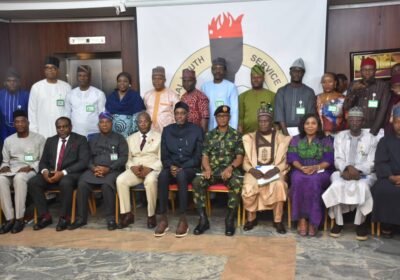
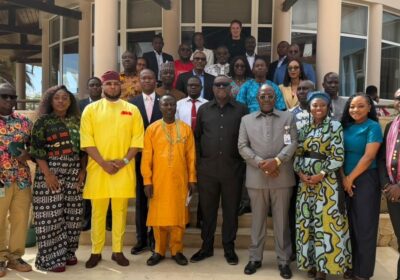
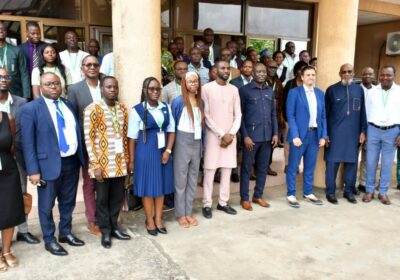
Meeting from 17 to 18 February 2026 in Accra, Ghana, the Regional Consultation on Political Participation and Leadership of Women and Youth in West Africa is setting a clear policy direction aimed at accelerating legislative and institutional reforms across the sub-region.
The technical session precedes a Ministerial Meeting and High-Level Advocacy engagement scheduled for 19 and 20 February, also in Accra.
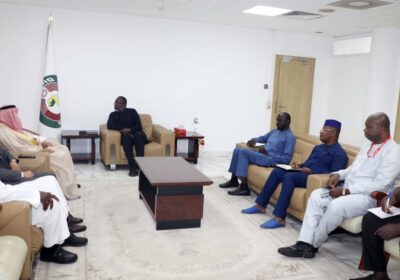
In a strong demonstration of political commitment at the highest level, the Vice-President of the ECOWAS Commission, Her Excellency Madam Damtien Tchintchibidja is participating in the consultation, underscoring the Commission’s resolve to translate regional frameworks into concrete national action.
At the heart of the discussions is the urgent need to dismantle structural, legal and socio-political barriers that continue to limit women and young people from fully participating in governance and leadership.
Experts are reviewing electoral systems, affirmative action models, quota mechanisms, and accountability frameworks that can be domesticated by Member States to ensure measurable progress toward gender parity and youth inclusion.
The consultation forms part of ECOWAS’ 50th anniversary “Legacy Project” (2025–2035), a commemorative initiative dedicated to achieving gender parity in elected bodies across Member States.
The project reflects a forward-looking vision that aligns with ECOWAS’ mandate on democracy, good governance, human capital development and inclusive growth.
Institutional backing for the initiative cuts across key ECOWAS structures, including the Office of the Vice-President, the Departments of Social Affairs and Political Affairs, as well as the ECOWAS Court of Justice and the ECOWAS Parliament — reinforcing a whole-of-institution approach to reform.
With West Africa’s youthful population representing both its greatest asset and its most urgent responsibility, stakeholders in Accra emphasised that empowering women and youth is not merely symbolic but central to sustainable peace, economic transformation and democratic consolidation in the region.
As ECOWAS marks five decades of regional integration, the renewed policy drive signals a historic shift — one that seeks to ensure that the next generation of leadership in West Africa is inclusive, representative and reflective of the region’s demographic realities.