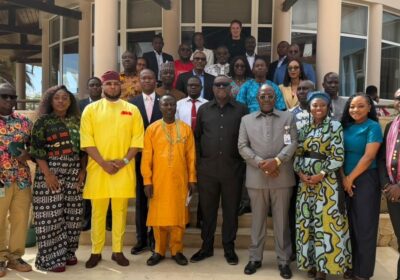


FRSC AT 38: FROM ROAD CARNAGE TO ROAD CONTROL
By Raymond Enoch
Nearly five decades ago, Nigeria’s highways were scenes of tragedy. In 1976 alone, the country recorded 40,881 road crashes — a frightening number that exposed a nation without a clear road safety system. Families mourned. Communities worried. Prominent Nigerians, including Nobel Laureate Wole Soyinka, demanded urgent action.
That demand gave birth to the Federal Road Safety Corps (FRSC) in 1988, established under the leadership of former Military President Ibrahim Babangida. Its mission was simple but bold: bring order, save lives and make Nigerian roads safer.
Thirty-eight years later, the transformation is clear.
Changing a Dangerous Culture
When FRSC began, traffic laws were often ignored. Crash rescue was slow. Records were poorly kept. Enforcement lacked coordination.
Step by step, the Corps rebuilt the system.
It introduced modern driver’s licences and standardised number plates. It created a national database under the “One Driver, One Record” system to track motorists properly. The toll-free 122 emergency line and a 24-hour response centre improved rescue operations, helping victims get quicker medical attention.
Today, over 95 percent of FRSC’s operations are digital. The agency has also earned ISO certification four consecutive times — a rare achievement among paramilitary institutions in Nigeria.
Smarter, Stronger Enforcement
Under the leadership of Corps Marshal Shehu Mohammed, the Corps has embraced smarter strategies. Patrol teams now rely on crash data to identify high-risk routes. Officers receive continuous training. Partnerships with transport unions, fleet operators and community groups have grown stronger.
Instead of reacting to accidents, FRSC now works to prevent them before they happen.
A Nationwide Lifeline
With commands spread across the country, roadside clinics, ambulance points and training institutions, the Corps has built a strong national presence. Its Regular and Special Marshals form one of the largest organised road safety networks in Africa.
Programmes such as the Driving School Standardisation Programme and the Road Transport Safety Standardisation Scheme ensure drivers and transport companies meet safety standards. Speed control measures and safe-loading checks help reduce deadly mistakes on the highways.
A Model Beyond Nigeria
Road transport moves more than 90 percent of people and goods in Nigeria. As traffic increases, so do the risks. Yet, the system built over 38 years provides a solid foundation for the future.
Once known for chaotic highways, Nigeria now has a structured, data-driven road safety framework that aligns with global best practices. Across Africa, FRSC stands as a reference point for effective road safety management.
Still Marching Forward
At 38, the Federal Road Safety Corps is not slowing down. Its mission remains clear: protect lives and create a culture where safety comes first.
From a time of widespread road carnage to an era of coordinated control, FRSC’s journey shows what vision, discipline and national commitment can achieve.
And as it celebrates this milestone, one message rings loud safer roads are possible, and the march continues.