

ECOWAS Vice President Damtien Tchintchibidja Enters Africa’s Circle of the 100 Most Influential Women–Avance Media By Raymond Enoch
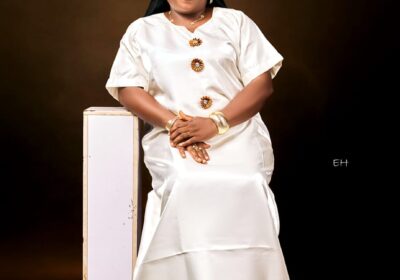
In a continent where leadership is often measured by visibility and volume, H.E. Mrs Damtien Larbli Tchintchibidja has built influence through steady reform, principled diplomacy, and institutional impact. That quiet authority has now earned continental recognition, as the Vice-President of the ECOWAS Commission is officially ranked among the 100 Most Influential African Women of 2025 by Avance Media Agency.
The prestigious listing places Mrs Tchintchibidja in the company of Africa’s most formidable women leaders, including H.E. Shirley Botchwey, Secretary-General of the Commonwealth; H.E. Selma Malika Haddadi, Vice-President of the African Union; H.E. Samia Suluhu Hassan, President of Tanzania; H.E. Mariam Chabita-Talata, Vice-President of Benin; Dr Ngozi Okonjo-Iweala, Director-General of the World Trade Organisation; and H.E. Diéné Keita, Executive Director of UNFPA.
Far from symbolic, the Avance Media recognition underscores a deeper narrative: the rise of technocratic, values-driven African women reshaping governance from within powerful regional and global institutions.
As Vice-President of the ECOWAS Commission, Mrs Tchintchibidja has emerged as a central pillar in the organisation’s administrative coherence, reform agenda, and diplomatic posture at a time of profound political and security transitions in West Africa. Her leadership style—anchored in institutional discipline, inclusivity, and long-term vision—has helped strengthen ECOWAS’ relevance as both a political and development actor.
Colleagues and observers describe her as a leader who builds systems rather than headlines, and whose influence is felt in policy alignment, operational stability, and the elevation of women and youth within regional governance structures.
The 100 Most Influential African Women ranking is curated annually by Avance Media to spotlight women who have either risen through the ranks or hold decisive leadership positions at local, continental, and international levels. Beyond celebration, the initiative is deeply tied to Be A Girl, Avance Media’s flagship girls’ empowerment project, designed to inspire young African women to see leadership not as exception, but as expectation.
In this context, Mrs Tchintchibidja’s inclusion carries generational significance. It sends a powerful signal that African women can lead complex regional institutions, influence continental policy, and shape global conversations—without compromising competence or credibility.
For ECOWAS, her recognition is also institutional validation. It reflects the growing visibility of the Commission’s leadership on the African and global stage, and affirms the role of West Africa in producing women leaders of international consequence.
For Africa’s next generation of girls watching from classrooms, campuses, and communities, the message is unmistakable: leadership is not borrowed—it is built.
And in 2025, Africa is watching one such builder—Damtien Larbli Tchintchibidja—take her rightful place among the continent’s most influential women.