

ECOWAS Chair Julius Maada Bio Storms Bissau, Opens High-Stakes Talks With Guinea-Bissau Junta.
By Raymond Enoch
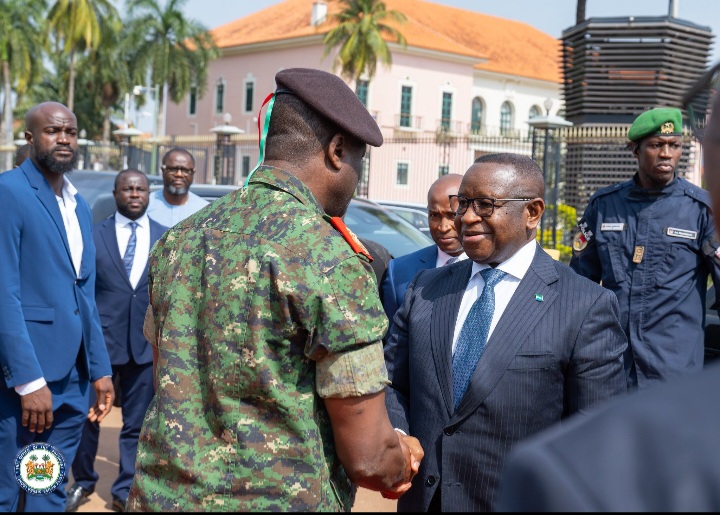
The Chairman of the Authority of Heads of State and Government of the Economic Community of West African States (ECOWAS) and President of Sierra Leone, Julius Maada Bio, on Monday arrived in Guinea-Bissau for high-stakes talks with the country’s military leadership, as regional pressure mounts for a swift return to constitutional order.
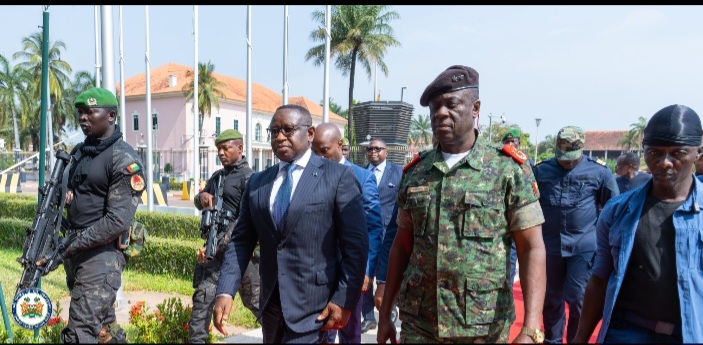
In a post on his verified X handle, @julius_maadabio, the ECOWAS Chair confirmed that he was “presently in Guinea-Bissau to engage with the military leadership regarding the current political situation,” underscoring the urgency with which the regional bloc is treating the latest crisis in its troubled neighbourhood.
Bio’s mission comes on the heels of ECOWAS’ decision to suspend Guinea-Bissau following the 26 November 2025 coup in which President Umaro Sissoco Embaló was toppled and a High Military Command seized power just as the results of the contentious 23 November general elections were due to be announced.
At an extraordinary summit late last week, ECOWAS leaders condemned the putsch, demanded the immediate restoration of constitutional rule and set up a high-level mediation team led by Bio to engage directly with the new military authorities in Bissau.
Monday’s visit marks the first in-person contact between the ECOWAS Chair and the junta since the coup and is widely seen as a decisive test of the bloc’s diplomatic leverage after a succession of military takeovers in the so-called “coup belt” of West Africa.
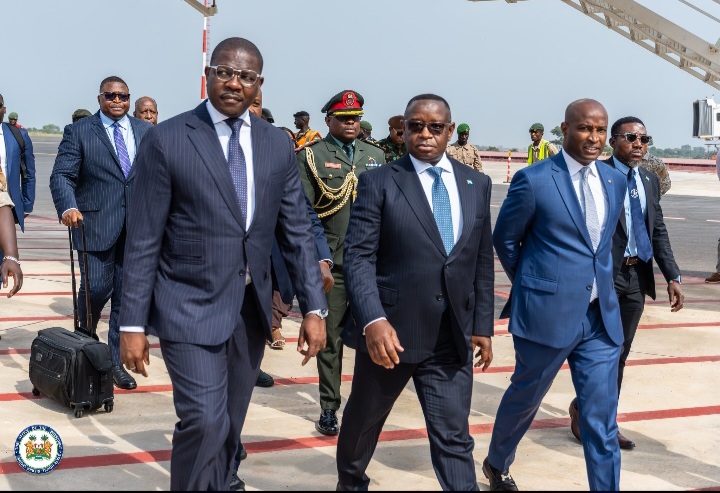
According to regional diplomatic sources, Bio is expected to press the military leadership on three key demands: a clear timetable for a rapid transition back to civilian rule, the publication of the disputed presidential election results, and firm guarantees for the safety and rights of detained political actors and citizens.
The visit comes amid heightened tension in Bissau. The military authorities have reportedly imposed a sweeping ban on protests and strikes ahead of the ECOWAS delegation’s presence, after youth-led demonstrations at the weekend demanded the release of opposition figures and the announcement of the election outcome.
The Guinea-Bissau crisis has once again thrust ECOWAS into the spotlight, challenging Bio to balance firmness with constructive engagement. As Chair, he has already convened an extraordinary virtual summit on the situation and is now leading the bloc’s shuttle diplomacy to try to prevent another prolonged standoff between a junta and the regional body.
With the eyes of West Africa and the wider international community now fixed on Bissau, Bio’s face-to-face meeting with the military rulers will likely shape the next phase of ECOWAS’ response — from possible targeted sanctions to incentives for a negotiated roadmap back to democratic governance.
For millions across the region weary of repeated unconstitutional changes of government, the outcome of this mission may signal whether ECOWAS, under Bio’s leadership, can still bend the arc of West African politics back toward the ballot box and away from the barrel of the gun.