

CDD-West Africa Flags Research Results, Democratic Risks as It Unveils New Strategy Plan 2026–2031 for West Africa Region By Raymond Enoch
The Centre for Democracy and Development (CDD-West Africa) held two separate high-level engagements on March 30 and 31, 2026, in Abuja, spotlighting emerging governance risks while unveiling a new strategic direction for the West Africa region.
On March 30, the organisation launched its research report titled “Security, Resource Governance, and Development Trajectories: A Comparative Assessment of Post-Coup Governance in the Sahel.” This was followed on March 31 by the official unveiling of its Strategic Plan 2026–2031.
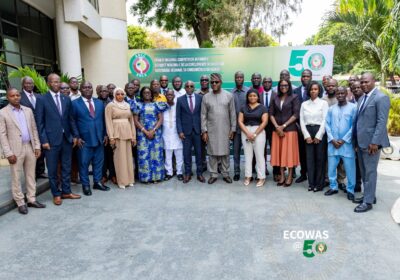
The two-day engagements brought together policymakers, diplomats, civil society actors, and development partners to examine governance trends across West Africa, with discussions shaped by fresh findings highlighting democratic backsliding, disinformation, and institutional fragility.
At the March 30 event, CDD-West Africa, in collaboration with the Observatoire Ivoirien des Droits de l’Homme (OIDH), presented a joint research report examining post-coup governance trajectories in the Sahel. The study, based on a three-month digital monitoring exercise conducted between July and September 2025, analysed over 30,000 online publications across social media platforms, news websites, and messaging channels.
The report revealed what researchers described as a coordinated and far-reaching digital propaganda ecosystem influencing public opinion and political narratives across West Africa and the Sahel. It found that military-led governments in Mali, Niger, and Burkina Faso—under the Alliance of Sahel States—are leveraging digital platforms to project themselves as defenders of sovereignty and popular will, a narrative gaining traction particularly among younger audiences.
Platforms such as TikTok recorded high engagement, with millions of interactions within short periods. The study observed that spikes in online activity often coincided with major political developments, suggesting deliberate timing and coordinated messaging.
The research also documented sustained efforts to discredit the Economic Community of West African States (ECOWAS), with thousands of posts portraying the bloc as serving external interests rather than regional priorities. Criticism intensified during sanctions and diplomatic interventions, often framed around alleged “double standards” in ECOWAS’ response to military coups versus constitutional changes in member states.
Beyond regional dynamics, the report identified indications of external influence within the digital information space. Content linked to networks associated with Russian media, including Russia Today (RT), was widely circulated and repackaged to appear locally generated, promoting alternative geopolitical alignments and reducing perceived Western influence in the region.
Presenting the findings, researchers warned that the scale and coordination of such campaigns suggest deliberate attempts to shape how citizens understand democracy, governance, and international partnerships. They cautioned that, if unchecked, these trends could weaken democratic institutions, deepen political divisions, and complicate regional cooperation.
In his opening remarks at the one-day strategic plan meeting, the Director of CDD-West Africa, Dr. Dauda Garuba, said the launch of the plan aligns with the organisation’s priorities and mandate. He also eulogised the founding fathers of the institution, noting that their enduring legacies continue to guide its vision and operations.
On March 31, CDD-West Africa formally launched its Strategic Plan (2026–2031), outlining a roadmap for strengthening democracy, governance, and institutional resilience across the region. The plan focuses on expanding regional reach, deepening grassroots engagement, strengthening institutional capacity, and ensuring financial sustainability.
Speaking at the event, Ambassador Dapo Oyewole, Secretary General of the Conference of Speakers and Presidents of African Legislatures (COSPAL), represented by Dr. Kuttyi Ango Dada, described the region’s democratic environment as being at a critical juncture. While noting progress since the era of military rule, he warned of a gradual erosion of constitutional order and rising public disillusionment.
Oyewole described the strategic plan as more than a policy framework, calling it a “covenant” that reflects institutional accountability and commitment to the public. He emphasised the importance of collaboration, noting that partnerships between COSPAL and CDD-West Africa could help translate research into legislative reforms.
Representing the ECOWAS Commission’s Commissioner for Political Affairs, Peace and Security, Dr. Abdul-Fatah Musah, Dr. Danjuma Aku expressed support for the initiative while warning of increasing instability in the region. He pointed to recurring military coups and weak institutions as major threats to democratic consolidation.
Dr. Aku called for deeper collaboration with think tanks and policy institutions, including the development of peer-review mechanisms to strengthen accountability among leaders. He urged stakeholders to adopt governance frameworks that uphold democratic norms.
Participants at both engagements emphasised the interconnected challenges facing West Africa, including insecurity, declining public trust, governance deficits, and the spread of disinformation. They called for stronger institutional cooperation, improved media literacy, and sustained investment in democratic resilience.
As CDD-West Africa begins its new strategic cycle, stakeholders stressed that the success of the plan will depend on effective implementation and the collective commitment of regional actors to uphold democratic principles in an increasingly complex political and information environment.