

Togo Commemorates ECOWAS@50,H.E Ms Deweh Emily Gray Highlights Achievements, Reaffirms Commission’s Strategic Direction on Vision 2050 By Raymond Enoch
The city of Lomé came alive with colour, culture and a renewed sense of regional unity as the Economic Community of West African States (ECOWAS) marked its 50th anniversary in a grand ceremony that brought together leaders, diplomats and citizens from across West Africa.
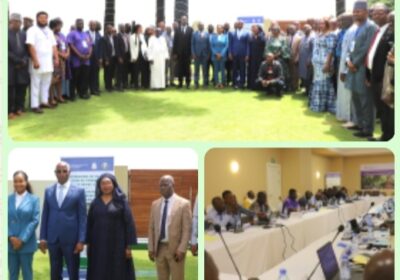
Held at the esplanade of the Lomé Convention Centre, the event drew nearly 800 participants from ECOWAS member states, including Benin, Cape Verde, Côte d’Ivoire, The Gambia, Ghana, Guinea, Guinea-Bissau, Liberia, Nigeria, Sierra Leone, Senegal and host country Togo. The celebration stood as a powerful reminder of five decades of cooperation, integration and shared aspirations among West African nations.
Presiding over the ceremony, Togo’s Minister of Finance and Budget, Mr Essowè Georges Barcola, led a high-level delegation that included senior government officials, members of the diplomatic and consular corps, and representatives of technical and financial partners. The atmosphere was festive yet reflective, blending celebration with a forward-looking vision for the region.
Delivering a keynote address, ECOWAS Resident Representative in Togo, Her Excellency Ms Deweh Emily Gray, highlighted the organisation’s landmark achievements since its establishment in 1975. She pointed to significant progress in promoting the free movement of people and goods, deepening economic integration, and strengthening peace and security across the region.
“ECOWAS has grown into a symbol of unity and resilience,” she noted, while acknowledging that challenges remain. She called for sustained commitment from member states and stakeholders to tackle pressing issues such as economic inequality, security threats and development gaps.
Ms Gray also reaffirmed the Commission’s long-term vision under Vision 2050, describing it as a roadmap for building an inclusive, prosperous and resilient “ECOWAS of the People.” According to her, the vision places citizens at the centre of development, ensuring that regional integration delivers tangible benefits to everyday people.
She further announced that the climax of the golden jubilee celebrations will take place in Lomé in May 2026, setting the stage for even broader participation and reflection on ECOWAS’s journey.
Speaking on behalf of the Togolese government, Minister Barcola praised ECOWAS for its enduring role in fostering unity and cooperation in West Africa. He paid tribute to the founding fathers of the organisation, describing their vision as a foundation that continues to guide the region today.
“ECOWAS remains a pillar of stability, solidarity and development,” he said, expressing optimism that the 50th anniversary would usher in a new era of stronger collaboration and shared prosperity among member states.
The ceremony was not only about speeches. It also featured vibrant parades and cultural exhibitions that showcased the rich diversity and tourism potential of the region. Traditional music, dance and displays from different countries highlighted the unique identities that make up the ECOWAS community while reinforcing a shared regional heritage.
Local authorities also lent their voices to the celebration. A representative of the Golfe 4 municipality emphasized the importance of grassroots participation in regional integration, noting that local governments play a crucial role in connecting policies to the people.
On the sidelines of the event, key ECOWAS institutions and agencies based in Togo presented their work through exhibition stands. These included the Regional Agency for Agriculture and Food (ARAA), the ECOWAS Bank for Investment and Development (EBID), the Development Project Preparation Unit (DPPU), and the Brown Card System. Their displays highlighted ongoing projects and achievements, offering a closer look at how ECOWAS initiatives are impacting lives across the region.
From agriculture and infrastructure development to financial support and cross-border insurance systems, the exhibitions underscored the breadth of ECOWAS’s mandate and its practical contributions to regional growth.
As the celebrations unfolded, one message stood clear: ECOWAS at 50 is not just reflecting on its past but actively shaping its future. With Vision 2050 as its guiding framework, the organisation is positioning itself to meet emerging challenges while strengthening unity among its member states.
For many in attendance, the Lomé event was more than a commemoration—it was a renewed call to action. A reminder that the dream of a united, peaceful and prosperous West Africa remains alive, driven by collective effort and shared purpose.