

Nigeria, EU Seal Stronger Deal in Abuja Talks, Harps on Security, Trade and Digital Future By Raymond Enoch
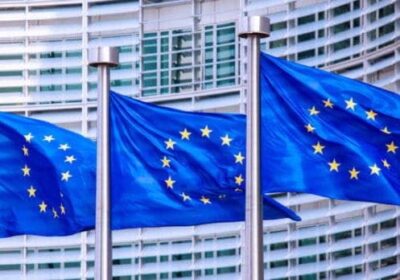
In a decisive move that signals a new phase in international cooperation, Nigeria and the European Union have reinforced their strategic partnership following high-level talks held in Abuja on Monday, setting the stage for deeper collaboration across security, trade, digital innovation and climate action.
The 8th Nigeria–European Union Ministerial Dialogue, convened at the Ministry of Foreign Affairs, brought together top policymakers, diplomats and institutional leaders in what observers describe as one of the most consequential bilateral engagements in recent years.
Leading the Nigerian delegation was Yusuf Maitama Tuggar, while the European Union team was headed by Kaja Kallas, underscoring the importance both sides attach to the evolving partnership.
At the heart of the discussions was a shared recognition: Nigeria and the European Union are not just partners of convenience—but strategic allies navigating a complex global landscape.
From the outset, the tone was clear. Tuggar described the relationship as “enduring and strategic,” anchored on mutual respect and shared global responsibilities. The Dialogue, held under the theme Partnership for Sustainable Development and Security, reflected what officials say is a deliberate shift from rhetoric to measurable outcomes.
Kallas, speaking for the EU, reaffirmed Europe’s commitment to Nigeria as a cornerstone partner in Africa, highlighting ongoing engagements that span peacekeeping, trade expansion, climate action and digital transformation. Her remarks signaled continuity—but also urgency—in addressing shared challenges.
Security dominated early conversations, particularly as instability continues to ripple across West Africa and the Sahel. Both sides reviewed joint counterterrorism efforts and maritime security operations in the Gulf of Guinea, a region vital to global trade routes. Nigeria commended EU backing for the Multinational Joint Task Force, a critical regional security initiative, and welcomed the formalisation of structured defence dialogue mechanisms.
There was also a strong consensus that regional cooperation must be strengthened through frameworks such as Economic Community of West African States, with both parties stressing that no single nation can tackle emerging threats alone.
Beyond security, the talks pivoted to economic transformation. With over 200 European companies already operating in Nigeria, the EU remains one of the country’s most significant trade and investment partners. However, both sides agreed the future lies beyond oil.
Agriculture, manufacturing, and the digital economy emerged as priority sectors, with renewed commitments to industrial innovation and job creation. Central to this effort is the EU’s Global Gateway initiative, a multi-billion-euro strategy designed to boost infrastructure, healthcare, energy and connectivity across partner countries—including Nigeria.
Climate and energy discussions revealed both alignment and tension. Nigeria reiterated its commitment to global environmental goals but raised concerns over the EU’s Carbon Border Adjustment Mechanism, warning it could place additional burdens on developing economies. Despite this, both sides agreed to sustain dialogue on climate financing and ensure that the transition to renewable energy remains fair and inclusive.
Perhaps the most forward-looking segment of the Dialogue focused on Nigeria’s rapidly growing digital ecosystem. Recognised increasingly as a hub for innovation in Africa, Nigeria is seeking deeper integration into global digital frameworks. Talks explored collaboration in fintech, startup financing, and research participation under programmes such as Horizon Europe—signaling new opportunities for young entrepreneurs and tech-driven growth.
Migration, often a sensitive topic, was addressed with notable pragmatism. Both Nigeria and the EU acknowledged the need for policies that balance border control with human dignity. Progress was recorded on the Nigeria–EU Readmission Agreement, alongside discussions on legal migration pathways, labour mobility and joint action against human trafficking.
Humanitarian issues also featured prominently. Nigeria expressed appreciation for EU support to internally displaced persons, particularly in conflict-affected regions, while both sides committed to strengthening long-term resilience strategies rather than short-term relief efforts.
By the close of the Dialogue, the message was unmistakable: this partnership is evolving, not static.
Officials on both sides emphasized that the real test lies ahead—not in declarations, but in implementation. The Abuja meeting, they noted, marks a turning point where commitments must translate into tangible benefits for citizens—from improved security and economic opportunities to technological advancement and sustainable development.
As global uncertainties mount, the renewed Nigeria–EU alliance positions both partners to act not just reactively, but strategically—shaping outcomes in a world where cooperation is no longer optional, but essential.