

LEGACY PROJECT: ECOWAS RALLIES POLITICAL WILL IN ACCRA TO ENTRENCH WOMEN, YOUTH LEADERSHIP BY 2035. By Raymond Enoch
Women’s political participation in West Africa remains a critical governance challenge despite commitments by the Economic Community of West African States to promote inclusive democracy under its Vision 2050 framework.
Across the region, women continue to face structural barriers including limited access to campaign financing, cultural norms, political violence, and weak enforcement of gender quota laws.
In a decisive move to reshape the political landscape of West Africa, the Economic Community of West African States (ECOWAS) has concluded a landmark High-Level Regional Consultation in Accra, setting the stage for sweeping reforms aimed at strengthening the political participation and leadership of women and youth across Member States by 2035.
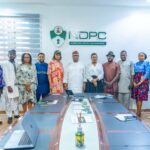
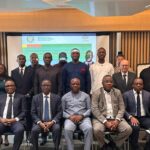
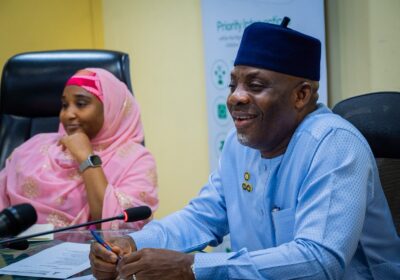
The high-powered advocacy session, held on February 20, 2026, marked the climax of a three-day regional consultation on Political Participation and Leadership of Women and Youth in West Africa. The engagement formed a central pillar of ECOWAS’ “Legacy Project” – a flagship initiative tied to the bloc’s 50th anniversary celebrations.
The event, hosted in Accra, the capital of Ghana, brought together Ministers and Experts in charge of Gender and Women’s Affairs from across the region, who met from February 17 to 19 to fine-tune strategies for institutional reforms and inclusive governance frameworks.
At the heart of the consultation is a proposed Model Law/Guide designed to serve as a policy blueprint for Member States. If domesticated, the framework is expected to drive constitutional, legislative and institutional reforms that would significantly expand the space for women and young people in elective and appointive positions by 2035.
ECOWAS officials underscored that the initiative aligns squarely with the bloc’s long-term development roadmap, Vision 2050, which prioritizes inclusive governance, gender equality and youth empowerment as critical levers for sustainable development and democratic consolidation.
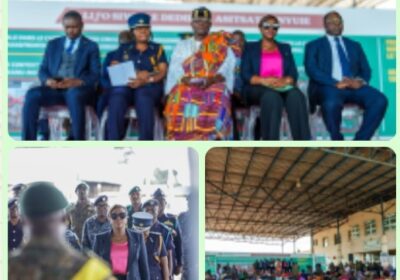
Delivering a keynote address at the High-Level Advocacy Session, Vice-President of the Republic of Ghana, Jane Naana Opoku-Agyemang, reaffirmed Ghana’s commitment to gender equity and youth inclusion, describing political representation as “not a privilege, but a democratic imperative.”
She emphasized that strengthening women and youth leadership is essential for building resilient democratic institutions and ensuring that governance systems reflect the diversity and dynamism of West Africa’s population.
The consultation concluded with renewed political commitments from stakeholders to champion the adoption and implementation of the proposed reforms within national frameworks. Observers say the momentum generated in Accra signals a pivotal shift from rhetoric to action in advancing gender-balanced leadership across the region.
With the curtain now drawn on the Accra consultation, attention shifts to Member States as ECOWAS moves to translate the outcomes into concrete legislative and policy reforms — a move that could redefine political inclusion in West Africa over the next decade.
For ECOWAS at 50, the Legacy Project may well stand as a defining milestone — not merely commemorating history, but shaping the future of democratic participation in the region.