

FRSC, NIMC SEAL DATA DEAL TO BOOST NATIONAL SECURITY By Raymond Enoch
In a bold move set to reshape Nigeria’s road safety and national identity architecture, the Federal Road Safety Corps (FRSC) and the National Identity Management Commission (NIMC) have forged a deeper strategic alliance to integrate national data systems, making the National Identification Number (NIN) central to vehicle registration and driver licensing.
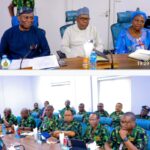
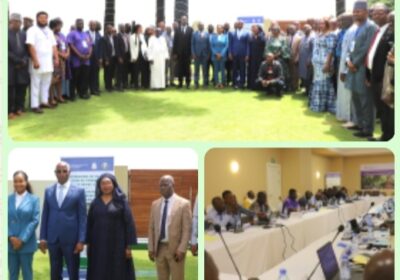
The landmark understanding was sealed during a high-level engagement between the Corps Marshal, Shehu Mohammed, and the Director General of NIMC, Engr. Adesoye Coker, in Abuja — a meeting insiders describe as a defining moment in the Federal Government’s push for a secure, technology-driven governance structure.
At the heart of the renewed partnership is a clear objective: build an intelligent national database where every motorist is traceable, properly identified, and accountable.
Corps Marshal Mohammed declared that credible identity management remains the backbone of effective law enforcement, crash reduction strategy, and national planning. He stressed that harmonised data among government institutions is no longer optional but urgent, particularly at a time when security concerns and road infractions demand precise tracking and accountability.
“We must build a nation where individuals can be properly identified for who they truly are,” he stated, underscoring the role of integrated data in strengthening national security.
The FRSC boss commended NIMC for expanding Nigeria’s identity database and reinforcing the NIN ecosystem, describing the progress as foundational to institutional reforms across sectors.
In a major policy signal, the Corps Marshal reiterated that the FRSC will intensify enforcement of NIN as a mandatory requirement for vehicle registration and the issuance of the National Driver’s Licence. According to him, this step will sanitise the motoring space, eliminate identity fraud, and enhance traceability within the road transport system.
Industry observers note that the integration will significantly reduce cases of fake licences, multiple vehicle registrations under false identities, and difficulties in tracking traffic offenders.
Beyond compliance, Mohammed also sought the formal inclusion of FRSC in NIMC’s Annual Identity Forum, arguing that the Corps serves as a frontline identity manager through its extensive driver licensing and vehicle registration network nationwide.
“Closer institutional collaboration will accelerate innovation, improve data accuracy, and enhance operational efficiency,” he added.
Responding, NIMC Director General Engr. Adesoye Coker pledged the Commission’s unwavering support for joint initiatives aimed at integrating critical data streams to support crash reduction and broader national security objectives.
She lauded the transformation and modernisation efforts within the FRSC under the current leadership, expressing confidence that structured synergy between both agencies would deliver measurable national benefits.
The strengthened alliance aligns with the Federal Government’s broader drive to establish a harmonised and technology-driven identity framework that promotes transparency, strengthens governance, and safeguards lives on Nigerian roads.
For millions of motorists, the message is clear: the era of fragmented identity records is fading. A unified data ecosystem — powered by the NIN — is fast becoming the new engine driving Nigeria’s road safety and security reforms.