

Nigeria Sets the Pace for Africa, Promotes Culture to Global Diplomacy Tool By Raymond Enoch
Nigeria has decisively repositioned itself on the global diplomatic map — not through hard power or financial leverage, but through the enduring force of culture.
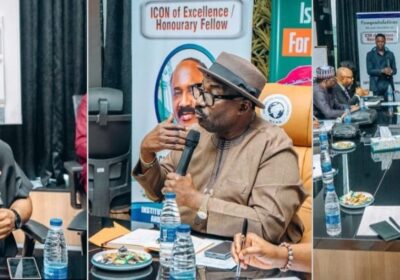
In a historic first for the nation and the continent, Nigeria hosted its maiden High-Level Conference on Cultural Diplomacy on January 27–28, 2026, in Lagos, signalling a strategic shift toward soft power as a tool for nation-building, peace, and international engagement.
The Summit, themed “Building Nations Through Cultural Diplomacy,” took place at the Nigerian Institute of International Affairs (NIIA), Victoria Island, and is already being regarded as a turning point in Africa’s diplomatic thinking.
Organised by Zeelee Consult Limited in collaboration with the NIIA, the Summit convened an elite mix of policymakers, diplomats, scholars, cultural practitioners, private sector leaders, development partners, and traditional rulers. Institutions such as LASACO Assurance, NIIA, AASME, alongside respected royal fathers, used the platform to press for a coordinated and strategic cultural diplomacy framework capable of projecting Nigeria’s identity and strengthening Africa’s global influence.
As global relations grow more complex and uncertain, speakers stressed that culture offers nations a sustainable diplomatic advantage — fostering trust, unity, and mutual understanding while unlocking the vast economic potential of the creative and cultural industries.
For Africa, long rich in heritage but under-leveraged diplomatically, the message from Lagos was clear: culture must now sit at the centre of policy and diplomacy.
High-level sessions examined how cultural diplomacy can promote peace and social cohesion, protect tangible and intangible heritage, boost cultural tourism, empower creative industries, and amplify Africa’s voice on the global stage. The programme featured keynote addresses, policy dialogues, panel discussions, exhibitions, performances, and strategic networking — underscoring culture as both policy and practice.
Beyond dialogue, the summit delivered tangible outcomes. Participants adopted policy recommendations to strengthen cultural diplomacy institutions, deepen collaboration between diplomatic and cultural actors, and advance heritage preservation.
A Conference Communiqué outlining clear strategic action points for governments, the private sector, and development partners was also endorsed.
Organisers described the summit as bold and timely — a defining intervention that places culture at the heart of Nigeria’s diplomatic and development agenda. As Nigeria leads this continental conversation, the Lagos conference stands as more than an event; it is a declaration of intent.
In choosing culture as a strategic instrument of influence, Nigeria has sent a clear message to the world: Africa’s future global standing will be shaped not only by politics and economics, but by the strength of its heritage, creativity, and collective voice.