

Security, Agriculture, Trade, Public Health and Democracy Top Agenda as Dr. Omar Alieu Touray Presents 2025 ECOWAS State of the Community Report By Raymond Enoch
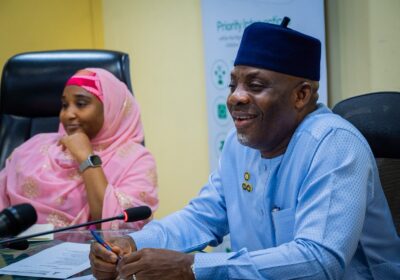
Regional security, food systems, humanitarian assistance, trade integration, public health and democratic governance dominated discussions, as the President of the ECOWAS Commission, H.E. Dr. Omar Alieu Touray, presented the 2025 Annual Report on the State of the Community to lawmakers of the Sixth ECOWAS Parliament in Abuja Nigeria.
The presentation, delivered on December 5th 2025 at the ECOWAS Parliament complex and presided over by Speaker H.E. Mrs. Maimounatou Ibrahima, offered a comprehensive and data-driven assessment of developments across West Africa over the past year. Dr. Touray outlined major achievements, emerging challenges, and strategic priorities shaping the sub-region, while urging parliamentary support for deeper regional cooperation.
In his address, Dr. Touray highlighted progress made in securing communities threatened by violent extremism, noting that ECOWAS continues to pursue responsive peace and security frameworks. He stressed that collaborative intelligence, peacekeeping coordination, and preventive diplomacy remain central to tackling insecurity that disrupts livelihoods and undermines national cohesion.
On agriculture and food security, the ECOWAS Commission President stated that efforts to strengthen resilience in rural areas are ongoing, especially as climate-related shocks and supply disruptions continue to strain production across Member States. He emphasized the need for modernized farming systems, intra-regional commodity markets, and targeted support for vulnerable households.
Humanitarian assistance was another focal point. Dr. Touray disclosed that ECOWAS has stepped up support to Member States affected by natural disasters, conflict displacements, and crises, reaffirming the Commission’s mandate to protect citizens across borders.
Trade and economic integration also featured prominently in the report. Dr. Touray called for bold actions to remove barriers to cross-border commerce, advance the Customs Union agenda, and improve implementation of community protocols designed to stimulate industrial growth and job creation.
Public health and pandemic preparedness remain priorities, he told the Parliament, citing lessons from recent outbreaks and the need for coordinated surveillance systems, vaccine distribution mechanisms, and stronger national healthcare institutions.
On governance and democracy, Dr. Touray reaffirmed ECOWAS’ commitment to promoting credible elections, constitutional order, and political stability. He encouraged lawmakers to support collaborative structures for election monitoring, mediation, and conflict prevention, noting increasing democratic pressures throughout the region.
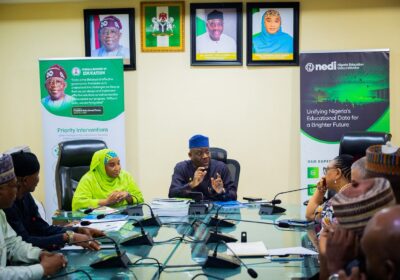
Parliamentarians of the Sixth Legislature engaged vigorously with the report, posing questions, debating sector-specific findings, and demanding targeted interventions to accelerate regional transformation. Legislators further recommended strengthening institutional frameworks to enhance accountability and ensure that ECOWAS policies translate into tangible benefits for citizens.
The 2025 Annual Report presentation reinforces ECOWAS’ drive toward transparency and participatory governance while underscoring the urgency of unlocking regional potential amid evolving threats. With security, economic integration and democratic consolidation at the forefront of its development agenda, the Commission signaled renewed commitment to stability, unity and sustainable growth among its fifteen Member States.