

ECOWAS DRIVES ZERO-TOLERANCE PUSH ON GBV AS REGIONAL MINISTERS UNITE IN BANJUL By Raymond Enoch
A strong wave of regional unity swept through Banjul on Thursday as ministers from West and Central Africa rallied behind a coordinated strategy to end gender-based violence (GBV), reinforcing the core mandate of Economic Community of West African States to promote human security, dignity, and social protection across member states.
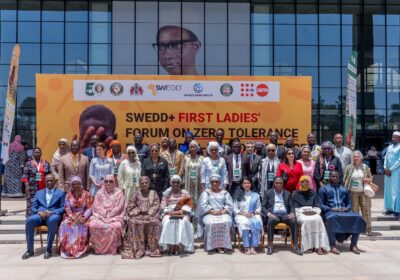
The high-level ministerial meeting comes just hours ahead of the much-anticipated SWEDD+ First Ladies Forum, where leaders are expected to champion a “zero tolerance” stance against GBV—a crisis that continues to threaten the safety, health, and economic participation of millions of women and girls in the region.
Signalung urgency, ministers emphasized that tackling GBV is no longer a standalone social issue but a central pillar of regional stability and sustainable development. The gathering highlighted the need for stronger legal systems, better coordination among institutions, and increased investment in prevention and survivor support services.
The meeting followed a technical experts’ session that presented a sobering regional overview of GBV trends. Participants reviewed recent data showing persistent vulnerabilities driven by poverty, harmful social norms, weak enforcement of laws, and limited access to justice. While acknowledging progress in policy reforms across several countries, officials admitted that implementation gaps remain a major challenge.
Discussions focused heavily on translating commitments into real action. Ministers called for harmonized legal frameworks across the region, improved data-sharing systems, and stronger collaboration between governments, civil society, and international partners. There was also a renewed push for multi-sectoral responses—bringing together health, justice, education, and security sectors to deliver a unified front against GBV.
The meeting aligns closely with ECOWAS’ broader objective of fostering inclusive development and safeguarding human rights, particularly for women and girls. By placing GBV at the center of its regional agenda, the bloc is signaling a shift toward more people-centered governance and accountability.
As the region prepares for the First Ladies Forum, expectations are high that political will at the highest level will translate into concrete actions, funding commitments, and measurable outcomes. For many observers, the Banjul meeting represents more than just another diplomatic gathering—it is a test of whether West and Central Africa can move from pledges to protection.
With momentum building, the message from Banjul is clear: the era of silence and fragmented responses to gender-based violence must end, and a united regional front is now firmly in motion.